How Acupuncture and Massage Quiet the Storm Inside
Ever feel like your emotions are running the show? Stress, anxiety, and mood swings can take over when life gets overwhelming. Many discover that acupuncture and massage aren’t just for sore muscles—they’re powerful tools for calming the mind and rebalancing emotions. Backed by growing science and real-life results, these natural therapies help regulate the nervous system. They support emotional stability by influencing the body’s physiological responses to stress. This is not medical advice, but an exploration of how millions find relief through time-honored practices that honor the deep connection between body and mind.
The Emotional Rollercoaster: Why Modern Life Wears Us Down
Life today moves at a pace that often exceeds our body’s ability to keep up. Responsibilities at work, constant digital notifications, family demands, and the pressure to perform can accumulate into a steady undercurrent of stress. For many women between 30 and 55, this phase of life includes managing careers, raising children, caring for aging parents, and maintaining personal relationships—all while trying to preserve some sense of self. The emotional toll is real. Chronic stress doesn’t just cause mental fatigue; it triggers measurable changes in the body, including elevated cortisol levels, disrupted sleep patterns, and a heightened state of alertness that never truly switches off.
Over time, this persistent activation of the stress response can lead to emotional dysregulation. Irritability, low motivation, mood swings, and difficulty concentrating are not simply signs of being “overwhelmed”—they are physiological signals that the nervous system is out of balance. The body was not designed to remain in a constant state of fight-or-flight. When this system is overused, it affects digestion, immunity, energy levels, and emotional resilience. What many interpret as personal failure—snapping at a child, feeling tearful over small things, or lacking joy—is often the body’s way of signaling that it needs rest and recalibration.
Ignoring these signals can lead to burnout, a condition increasingly recognized in both medical and wellness communities. Burnout is not just exhaustion; it is a state of emotional, physical, and mental depletion caused by prolonged stress. It diminishes the ability to cope and can make even routine tasks feel insurmountable. The good news is that the body has an innate capacity to recover, especially when supported by practices that restore balance. This is where therapies like acupuncture and massage come in—not as luxuries, but as essential tools for emotional maintenance in a demanding world.
What Acupuncture Really Does: More Than Just Needle Therapy
Acupuncture, a key component of traditional Chinese medicine, involves the insertion of fine, sterile needles into specific points on the body. These points are believed to lie along pathways called meridians, through which vital energy, or qi, flows. While the concept of qi may seem abstract, modern science has found that acupuncture stimulates measurable physiological responses. Research suggests that needle insertion activates nerve fibers, influences brain activity, and modulates the autonomic nervous system—the part of the nervous system that controls involuntary functions like heart rate, digestion, and stress response.
One of the most significant effects of acupuncture is its ability to regulate cortisol, the primary stress hormone. Elevated cortisol levels are linked to anxiety, weight gain, sleep disturbances, and impaired cognitive function. Studies have shown that regular acupuncture sessions can reduce cortisol production, helping the body shift from a state of hyperarousal to one of calm. Additionally, acupuncture appears to increase the release of endorphins and serotonin—neurochemicals associated with feelings of well-being and emotional stability. These changes are not immediate for everyone, but over time, many report a gradual lifting of mental fog and a greater sense of emotional equilibrium.
Acupuncture also influences the parasympathetic nervous system, often referred to as the “rest and digest” system. When this system is activated, heart rate slows, breathing deepens, and the body begins to repair itself. In contrast, the sympathetic nervous system—the “fight or flight” response—dominates during stress. Acupuncture helps tip the balance back toward calm by reducing sympathetic overactivity. This is particularly beneficial for those who feel “wired but tired,” a common experience among women juggling multiple roles. The treatment does not erase life’s challenges, but it creates space for the body to respond to them more calmly and clearly.
It is important to note that acupuncture is not a one-size-fits-all solution. The experience varies from person to person. Some feel immediate relaxation, while others notice subtle changes over several sessions. The treatment is generally safe when performed by a licensed practitioner using sterile, single-use needles. While it is not a substitute for mental health care, it serves as a valuable complement, offering a non-pharmacological way to support emotional health.
Massage Therapy: Not Just Relaxation—It’s Nervous System Reset
Massage therapy is often associated with luxury and pampering, but its benefits extend far beyond temporary relaxation. At its core, massage is a form of therapeutic touch that directly influences the nervous system. When a skilled therapist applies pressure to muscles and connective tissues, the body receives signals that it is safe, supported, and not under threat. This simple act of touch can initiate a cascade of physiological changes. Heart rate slows, blood pressure decreases, and stress hormones like cortisol and adrenaline begin to drop. These responses are not imagined—they are measurable and well-documented in clinical studies.
Different types of massage offer varying benefits. Swedish massage, characterized by long, flowing strokes, is particularly effective for promoting relaxation and improving circulation. Deep tissue massage targets chronic muscle tension, often stored in the neck, shoulders, and back—areas where stress commonly manifests. For women who spend long hours at desks or caring for children, this physical release can have a profound emotional impact. When the body is no longer braced against tension, the mind often follows, becoming less reactive and more present. Regular massage has been shown to reduce symptoms of anxiety and depression, improve sleep quality, and enhance overall emotional resilience.
The power of touch should not be underestimated. Human touch is a fundamental need, and its absence can contribute to feelings of isolation and emotional distress. In a world where digital communication often replaces physical connection, massage provides a rare opportunity for nurturing, non-verbal contact. This can be especially meaningful for women who spend much of their time giving to others—cooking, cleaning, listening, supporting—without receiving the same care in return. Massage offers a dedicated space to receive, to be still, and to reconnect with the body’s innate wisdom.
Like acupuncture, massage is most effective when practiced consistently. A single session may provide temporary relief, but the cumulative effects are what lead to lasting change. Over time, regular massage can retrain the nervous system to default to a calmer state, reducing the frequency and intensity of stress responses. It is not about escaping reality, but about building a stronger foundation for facing it with clarity and composure.
The Science of Calm: How These Therapies Work Together
While acupuncture and massage can be effective on their own, their combined effect is often greater than the sum of their parts. Acupuncture works from the inside out, influencing the body’s internal signaling systems, while massage works from the outside in, using touch to release physical tension and signal safety. Together, they create a powerful synergy that supports deep nervous system regulation. This dual approach addresses both the biochemical and somatic aspects of stress, offering a holistic path to emotional balance.
Clinical observations and patient reports suggest that combining these therapies can accelerate the return to emotional stability. For example, someone experiencing chronic anxiety may find that acupuncture helps regulate their internal chemistry, while massage helps them physically release the tension that anxiety creates in the body. The result is often a more complete sense of calm—one that is not just mental, but embodied. This integration of mind and body is essential for sustainable well-being.
The parasympathetic nervous system plays a central role in this process. When both acupuncture and massage are used, the body is more likely to enter a sustained state of rest and recovery. This is not a passive state; it is an active process of healing and restoration. During this time, the body repairs tissues, balances hormones, and resets emotional thresholds. Over weeks and months, this can lead to improved mood, better sleep, and a greater capacity to handle daily stressors without becoming overwhelmed.
It is also worth noting that these therapies do not require dramatic changes to one’s lifestyle. They fit naturally into a routine of self-care, requiring only time and intention. Unlike medications, which may come with side effects, or intense exercise, which may not be accessible to everyone, acupuncture and massage are gentle, low-risk interventions. They meet people where they are, offering support without judgment or pressure. For women who have spent years prioritizing others, this kind of nurturing care can be transformative.
What to Expect: A Realistic Look at Sessions and Sensations
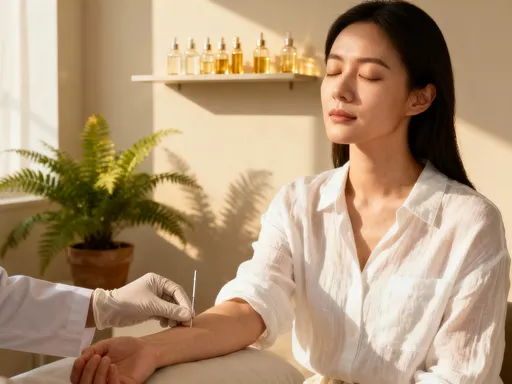
For those new to acupuncture or massage, uncertainty about what to expect is common. A typical acupuncture session begins with a brief consultation, during which the practitioner may ask about sleep, digestion, energy levels, and emotional state. The treatment itself takes place in a quiet, dimly lit room. The needles used are extremely thin—about the width of a human hair—and most people feel little to no discomfort upon insertion. Some experience a mild tingling, warmth, or heaviness at the site, which is often interpreted as the movement of energy. Sessions usually last 30 to 60 minutes, during which many fall into a light sleep or deep relaxation.
Emotional responses vary. Some feel an immediate sense of calm, while others notice changes in mood or sleep patterns over the following days. It is not uncommon to experience a temporary increase in fatigue or emotional sensitivity after a session, especially in the beginning. This is often a sign that the body is releasing stored tension and should not be cause for concern. With continued treatment, these initial reactions typically subside, giving way to greater clarity and resilience.
Massage sessions also take place in a peaceful environment. The client undresses to their comfort level and lies on a padded table, covered with sheets or a blanket. The therapist works on one area at a time, ensuring privacy and respect. The pressure can range from light to deep, depending on the style and individual preference. Many report a sense of floating or timelessness during the session, as the mind quiets and the body lets go. Afterward, it is common to feel deeply relaxed, slightly drowsy, or emotionally open. Drinking water and resting afterward can help support the body’s natural detoxification processes.
It is important to approach these therapies with realistic expectations. They are not instant fixes, nor do they erase life’s challenges. Instead, they create space for the body and mind to recover, reorganize, and respond to stress more effectively. The benefits are often subtle at first, like a quieter mind or a looser shoulder, but over time, they can lead to meaningful improvements in overall well-being.
Building a Routine: Integrating Therapy into Emotional Self-Care
Sustained emotional balance requires consistent care, not occasional intervention. While a single session of acupuncture or massage may provide temporary relief, the real benefits emerge over time with regular practice. For most women, starting with monthly sessions is a practical and sustainable approach. As the body begins to reset its stress response, some may choose to increase frequency, especially during particularly demanding seasons of life. The key is consistency, not intensity.
Choosing a qualified practitioner is essential. Look for licensed acupuncturists and certified massage therapists who have training in their respective fields. Personal recommendations, online reviews, and professional associations can help identify reputable providers. It is also helpful to communicate openly about goals, preferences, and any health concerns. A good practitioner will listen, adapt, and create a safe, supportive environment.
These therapies are most effective when combined with other healthy habits. Quality sleep, balanced nutrition, hydration, and mindfulness practices like deep breathing or gentle stretching can enhance the benefits of acupuncture and massage. Keeping a simple journal to track mood, energy, and sleep can help identify patterns and measure progress. Over time, many women find that these practices become an essential part of their self-care routine, not a luxury to be enjoyed only when time and money allow.
Integrating therapy into daily life is not selfish—it is an act of stewardship over one’s health. Just as we maintain our homes, cars, and relationships, our bodies and emotions require regular attention. By prioritizing self-care, women model resilience and well-being for their families and communities. This is not about perfection, but about presence—showing up for life with greater calm, clarity, and compassion.
When to Seek Help: Complement, Not Replace, Professional Care
While acupuncture and massage offer valuable support, they are not substitutes for professional mental health care. For women experiencing persistent anxiety, depression, or emotional distress, it is important to consult a licensed therapist, counselor, or physician. These conditions are complex and often require a comprehensive treatment plan that may include therapy, medication, or other interventions. Acupuncture and massage can play a supportive role in such plans, helping to reduce physical symptoms of stress and improve overall well-being, but they should not delay or replace necessary medical care.
There is no shame in seeking help. Emotional struggles are not a sign of weakness, but a natural part of the human experience. In fact, reaching out for support is one of the strongest things a person can do. Integrative approaches that combine conventional medicine with complementary therapies often yield the best outcomes. A healthcare provider can help determine the right balance of treatments based on individual needs.
It is also important to listen to the body’s signals. If emotional distress interferes with daily functioning—if it affects work, relationships, or the ability to care for oneself or others—it is time to seek professional guidance. Early intervention can prevent conditions from worsening and support faster recovery. Acupuncture and massage can be part of that recovery, offering comfort and stability during difficult times.
The goal is not to eliminate all stress, but to build the capacity to navigate it with grace. Emotional well-being is not a destination, but a practice—one that requires patience, self-compassion, and ongoing care. By combining ancient wisdom with modern understanding, women can create a personalized path to balance that honors both body and mind.
Emotional well-being isn’t about eliminating stress—it’s about building resilience. Acupuncture and massage offer gentle, effective pathways to restore balance from within. By tuning into the body, we can quiet the noise in the mind. These ancient practices, grounded in both tradition and science, remind us that healing often begins with simple, human touch. They are not magic cures, but meaningful tools that support the body’s natural ability to heal and recalibrate. When used consistently and responsibly, they can help women navigate life’s challenges with greater ease and presence. Always consult a healthcare provider to find what’s right for you, and remember that taking care of yourself is not a luxury—it is a necessity.