How I Tamed My Blood Pressure with Real-Life Moves
High blood pressure creeps in quietly, but its impact is loud. I learned this the hard way. After my doctor’s warning, I didn’t want pills to be my only fix. I started small—walking, breathing, moving—no gym required. These changes didn’t just lower my numbers; they changed how I live. This is what actually worked for me, in the real world, with real results. Always consult your doctor—but movement, it turns out, is medicine.
The Wake-Up Call: When My Blood Pressure Spoke Up
It wasn’t chest pain or shortness of breath that brought me to the doctor—it was a routine checkup. At 47, I felt fine. I wasn’t overweight, I didn’t smoke, and I thought I was doing enough by eating salads a few times a week. But when the nurse said, ‘Your blood pressure is a bit high,’ and the doctor confirmed mild hypertension at 142 over 90, something inside me shifted. There were no symptoms, no warning signs, yet the risk was real. High blood pressure, I learned, is often called the ‘silent killer’ because it damages the heart and blood vessels long before you feel anything.
What scared me most wasn’t the number itself, but what it could lead to. Untreated hypertension increases the risk of heart attack, stroke, and kidney damage. The doctor explained that even slightly elevated pressure over years puts constant strain on the arteries and heart muscle, making them work harder than they should. It’s like running a car engine at high RPM all the time—the wear and tear add up. I realized I couldn’t afford to wait until I felt unwell. The decision to act early wasn’t about fear, but about responsibility—to myself and to my family.
Medication was an option, and my doctor didn’t rule it out. But she also emphasized that for someone at my stage, lifestyle changes could be just as powerful, if not more so, in the beginning. She called them ‘first-line interventions’—the very first tools we should reach for before adding pills to the routine. That gave me hope. I didn’t have to accept high blood pressure as a life sentence. I could take action. And so, I began not with a dramatic overhaul, but with small, sustainable choices that fit into my daily life.
Why Exercise Isn’t Optional—It’s Essential
At first, I thought exercise was mainly for weight loss or building strength. I didn’t realize how directly it affects blood pressure. Physical activity, it turns out, is one of the most effective non-medical ways to support cardiovascular health. When you move your body regularly, your heart becomes more efficient at pumping blood, and your blood vessels become more flexible. This means less force is needed to circulate blood, which directly lowers the pressure inside your arteries.
The science behind this is both fascinating and reassuring. When you engage in consistent physical activity, you improve the function of the endothelium—the thin layer of cells lining your blood vessels. This lining plays a crucial role in regulating blood flow and pressure by releasing nitric oxide, a molecule that helps blood vessels relax and widen. Poor endothelial function is linked to stiffer arteries and higher blood pressure, while exercise helps keep this system working smoothly. Over time, regular movement supports arterial flexibility, reducing the resistance that blood faces as it travels through the body.
Research backs this up. Multiple studies, including those reviewed by the American Heart Association, show that people who engage in moderate-intensity aerobic exercise for at least 150 minutes per week can lower their systolic blood pressure—the top number—by an average of 5 to 8 mmHg. That may not sound like much, but in medical terms, it’s significant. A reduction of just 5 mmHg can decrease the risk of stroke by 14% and heart disease by 9%. Exercise isn’t a cure-all, but it’s a powerful piece of the puzzle, especially when started early and maintained over time.
Walking: The Overlooked Powerhouse Move
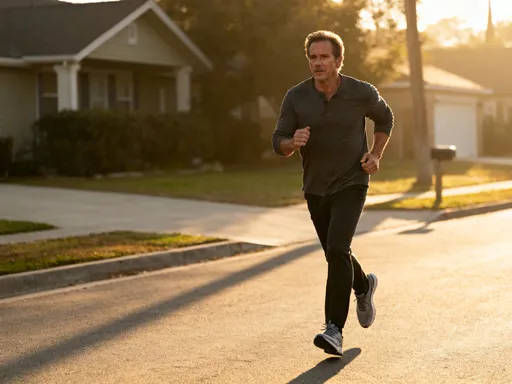
If I had to pick one change that made the biggest difference, it was walking. I didn’t need special clothes, a gym membership, or even a lot of time. I started with just 10 minutes after dinner, walking around the block while listening to a podcast. At first, it felt like too little to matter. But within a few weeks, I noticed I wasn’t as winded climbing stairs, and my evening restlessness began to fade. I gradually increased to 30 minutes most days, sometimes breaking it into two 15-minute walks if my schedule was tight.
What surprised me was how much timing mattered. Walking after meals, especially dinner, seemed to have an extra benefit. I learned that physical activity after eating helps moderate blood sugar spikes, which in turn supports more stable blood pressure. When blood sugar rises too quickly, it can trigger a stress response in the body, leading to temporary increases in heart rate and pressure. A gentle walk helps your muscles use glucose more efficiently, smoothing out those fluctuations. Over time, this contributes to better overall cardiovascular regulation.
I didn’t become obsessive about tracking steps or setting ambitious goals. Instead, I focused on making walking a natural part of my day. I parked farther from store entrances, took the stairs instead of the elevator when possible, and walked to a colleague’s desk instead of sending an email. These small choices added up. I didn’t need to train for a marathon—just moving consistently throughout the week made a measurable difference. My home blood pressure monitor began to show a steady decline, and my doctor noted improvement at my next checkup.
Breathing Workouts: Yes, They Count as Exercise
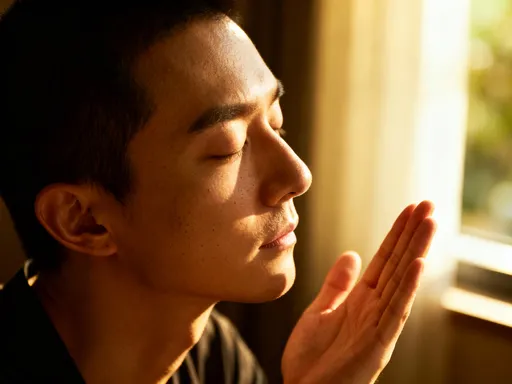
I used to think exercise meant sweating, elevating your heart rate, or pushing your limits. But I discovered that something as simple as controlled breathing can be a form of physical training for your nervous system. When I first heard about paced breathing—slowing your breath to about six cycles per minute—I was skeptical. How could just breathing lower blood pressure? But the more I learned, the more it made sense. Deep, slow breathing activates the parasympathetic nervous system, the part of your body responsible for ‘rest and digest’ functions. This counteracts the ‘fight-or-flight’ stress response, which often keeps blood pressure elevated.
I started with just five minutes a day, using a free breathing app that guided me through inhaling for five seconds and exhaling for five seconds. No special equipment, no extra time carved out of a busy schedule—just sitting in a chair with my eyes closed. At first, my mind wandered, and I struggled to stay focused. But after a few weeks, it became a welcome pause in my day. I began to notice that I felt calmer not just during the exercise, but afterward. My shoulders stayed relaxed, my jaw wasn’t clenched, and I slept more soundly.
Research supports this practice. Studies have shown that regular paced breathing can lead to modest but meaningful reductions in blood pressure, especially when combined with other lifestyle changes. It works by reducing sympathetic nervous system activity, lowering heart rate, and improving blood vessel tone. It’s not a replacement for aerobic activity, but it’s a valuable addition—especially on days when you’re too tired to walk or too stressed to think clearly. Breathing, I realized, is a form of movement you can do anywhere, anytime, and it counts.
Strength Training: Not Just for Athletes
When I thought of strength training, I pictured people lifting heavy weights in gyms, grunting and sweating. I didn’t see myself in that world. But I learned that strength training doesn’t have to be intense or intimidating. For blood pressure management, even light resistance work can make a difference. I started with bodyweight exercises—wall push-ups, seated squats, and standing calf raises. I did two sets of 10 repetitions, three times a week, in my living room while watching the evening news.
Over time, I added resistance bands—affordable, portable, and easy to use. They provided just enough challenge to build muscle without straining my joints. I focused on major muscle groups: legs, arms, back, and core. What I didn’t expect was how much better I felt overall. My balance improved, I had more energy, and everyday tasks like carrying groceries or gardening became easier. But more importantly, building muscle supports better circulation and metabolic health, both of which play a role in blood pressure regulation.
Muscle tissue is more metabolically active than fat, meaning it helps the body process glucose and insulin more efficiently. This reduces the risk of insulin resistance, a condition linked to higher blood pressure. Additionally, stronger muscles improve blood flow back to the heart, reducing the workload on the cardiovascular system. The key is consistency and safety. I made sure to warm up, focus on proper form, and avoid holding my breath during exertion—a common mistake that can cause a temporary spike in pressure. Strength training, I realized, wasn’t about getting bulky—it was about building resilience.
Staying Consistent Without Burning Out
One of the biggest challenges wasn’t starting—it was sticking with it. Life gets busy. There are family responsibilities, work deadlines, and days when you’re just too tired to move. I used to think exercise had to be 30 minutes straight to ‘count.’ But research shows that even short bursts of activity—10 minutes at a time—can add up to meaningful health benefits. I stopped aiming for perfection and started valuing consistency. A 10-minute walk, five minutes of breathing, or a quick set of squats still counted.
I found that habit stacking—pairing a new behavior with an existing routine—was incredibly effective. I did calf raises while brushing my teeth, stretched during commercial breaks, and took deep breaths before checking my email. These tiny actions didn’t require extra time, but over weeks and months, they built a foundation of movement. I also shifted my focus from the scale to how I felt. My clothes fit better, I slept more deeply, and I had more patience with my family. My mood stabilized, and I wasn’t as easily overwhelmed by stress.
Tracking progress helped, but not in the way I expected. I didn’t obsess over numbers, but I did keep a simple journal where I noted how I felt each week—energy levels, sleep quality, mood, and blood pressure readings. Seeing gradual improvements in these areas kept me motivated. I learned that health isn’t about dramatic transformations—it’s about small, daily choices that add up over time. And when I slipped up, I didn’t punish myself. I just started again the next day.
Working With, Not Against, Your Doctor
Throughout this journey, my doctor was my partner, not my judge. I made sure to keep her informed about the changes I was making. I brought my home blood pressure log to appointments, and we reviewed the trends together. She never dismissed my efforts or suggested I stop medication prematurely. Instead, she celebrated the progress and adjusted my care plan as needed. This collaboration was essential. Lifestyle changes are powerful, but they work best when integrated with medical guidance.
I also invested in a reliable home blood pressure monitor. Checking my numbers regularly helped me see the impact of my choices. On days when I walked, breathed, and stayed active, my readings were consistently lower. On stressful days when I skipped my routine, the numbers crept up. This feedback loop reinforced the connection between behavior and health. It wasn’t about fear—it was about awareness. I wasn’t trying to ‘beat’ my blood pressure; I was learning to live in a way that supported my heart.
The final lesson I’ve learned is this: small moves lead to big changes, but only if you keep moving. You don’t need to run marathons or lift heavy weights. You don’t need expensive equipment or hours of free time. What you need is commitment—to show up for yourself, day after day, in ways that feel doable and sustainable. High blood pressure may be silent, but your response doesn’t have to be. Every step, every breath, every choice is a message to your heart: I’m listening. And over time, your body will respond.