How Tiny Changes in My Home Transformed My Health Without Trying Hard
You don’t need a full lifestyle overhaul to feel better—sometimes, the smallest shifts in your environment make the biggest difference. I didn’t believe it either, until I started noticing real changes in my energy, sleep, and mood—just by tweaking a few everyday things at home. This isn’t about extreme fixes or complicated routines. It’s about how simple, science-backed adjustments to your living space can quietly improve your health indicators, from blood pressure to stress levels. Let’s talk about what really works.
The Hidden Link Between Environment and Health
Most people think of health as a product of diet, exercise, and medical care. Yet, one of the most overlooked influences on well-being is the physical environment where we spend the majority of our time—our homes. Research consistently shows that the spaces we inhabit directly affect biological markers such as cortisol, heart rate variability, and immune function. For example, elevated cortisol levels—often called the “stress hormone”—have been observed in individuals living in chaotic, cluttered, or poorly lit environments. These changes occur subtly, without dramatic symptoms, which is why many dismiss the connection between their surroundings and how they feel.
Behavioral scientists have found that urban dwellers, particularly women managing households, often report higher perceived stress when their living spaces lack order or natural elements. A study published in the journal Environment and Behavior demonstrated that participants in cluttered rooms exhibited increased cortisol levels and reduced task performance compared to those in organized, calming spaces. This isn’t just about aesthetics—it’s about how visual and sensory inputs signal safety or threat to the brain. When your environment feels overwhelming, your nervous system responds as if under low-grade, constant pressure.
What makes this insight powerful is its accessibility. Unlike genetic predispositions or demanding fitness regimens, your home environment is something you can adjust immediately. The key is recognizing that health isn’t only shaped by what you eat or how much you move—it’s also shaped by what you see, breathe, and hear every day. By reframing your home as a health-supportive ecosystem, you begin to see clutter not as a chore, but as a stressor. Poor lighting not as an inconvenience, but as a disruptor of natural rhythms. These small realizations lay the foundation for meaningful, lasting change.
Air Quality: The Invisible Trigger Behind Fatigue and Brain Fog
Indoor air quality is one of the most underappreciated factors in everyday health. While many are vigilant about outdoor pollution, fewer realize that indoor air can be two to five times more polluted than outside air, according to the U.S. Environmental Protection Agency. Common household items—synthetic air fresheners, scented candles, cleaning sprays, and even furniture—release volatile organic compounds (VOCs) that can impair respiratory function and cognitive clarity over time. These pollutants contribute to symptoms like chronic fatigue, headaches, and difficulty concentrating, often dismissed as “just part of aging” or “stress.”
The danger lies in the invisibility of the problem. Unlike a cold or injury, poor air quality doesn’t announce itself with clear symptoms. Instead, its effects accumulate silently. For instance, long-term exposure to elevated VOC levels has been linked to increased risk of respiratory conditions and reduced lung capacity. In controlled studies, participants exposed to cleaner indoor air showed measurable improvements in memory, attention, and decision-making speed. This means that what you’re breathing at home could be quietly undermining your mental sharpness and physical stamina.
Improving air quality doesn’t require expensive renovations. Simple, science-backed steps can make a significant difference. Start by replacing synthetic air fresheners with natural alternatives like essential oil diffusers or simmering citrus peels and cinnamon in water. Introduce air-purifying plants such as the spider plant, snake plant, or peace lily, which NASA research has shown can reduce indoor toxins. Most importantly, prioritize ventilation—open windows daily, even for just ten minutes, to allow fresh air circulation. Using exhaust fans in kitchens and bathrooms also helps remove moisture and pollutants.
Over time, these changes yield noticeable benefits. Many people report waking up feeling more refreshed, experiencing fewer midday energy crashes, and enjoying clearer thinking. One woman in a follow-up survey noted that after removing scented candles and adding a few houseplants, her chronic morning headaches disappeared within three weeks. These aren’t miracle cures—they’re the natural result of reducing environmental stress on the body. When your lungs aren’t working overtime to filter pollutants, your entire system functions more efficiently.
Lighting Matters More Than You Think
Light is not just a tool for visibility—it’s a biological regulator. The human body relies on natural light patterns to maintain circadian rhythms, the internal clock that governs sleep, hormone release, and energy levels. Exposure to bright, blue-rich daylight during the day signals the brain to stay alert, while darkness at night triggers melatonin production, the hormone that prepares the body for rest. However, modern homes are often filled with artificial lighting that disrupts this delicate balance. Overuse of cool-toned, blue-rich LED lights in the evening can delay melatonin release, leading to difficulty falling asleep and poor sleep quality.
A growing body of research highlights the consequences of light mismanagement. A study from Harvard Medical School found that participants exposed to blue light in the evening took longer to fall asleep and experienced reduced REM sleep compared to those exposed to warmer, dimmer light. Poor sleep, in turn, affects everything from immune function to emotional resilience. For women managing family schedules, disrupted sleep can create a ripple effect—lower energy, increased irritability, and reduced capacity to handle daily demands.
The solution lies in intentional lighting choices. Begin by replacing cool-white bulbs in bedrooms and living areas with warm-toned LEDs (2700K or lower). These mimic the color temperature of sunset and support natural melatonin production. Use dimmer switches or lamps with adjustable brightness to create a calming evening atmosphere. During the day, maximize natural light by opening curtains and positioning seating near windows. Even on cloudy days, outdoor light is significantly brighter than indoor lighting and helps anchor your circadian rhythm.
Another effective strategy is to limit screen exposure one to two hours before bedtime. If screen use is unavoidable, enable “night mode” settings that reduce blue light emission. Some people also benefit from blackout curtains, which create a dark sleeping environment that supports deeper, more restorative sleep. Over time, these adjustments help regulate sleep-wake cycles, leading to faster sleep onset, fewer nighttime awakenings, and improved daytime alertness. One participant in a sleep hygiene trial reported that after switching to warm lighting and using blackout curtains, she began waking up naturally—without an alarm—after just four weeks.
Decluttering as a Health Habit, Not Just a Chore
Clutter is more than an eyesore—it’s a cognitive burden. Studies in environmental psychology show that visual clutter competes for attention, increasing mental fatigue and reducing the brain’s ability to focus. When your field of vision is filled with disorganized items, your brain works harder to process information, leading to decision fatigue and heightened anxiety. For women managing homes and families, this constant low-level stress can accumulate, making it harder to maintain healthy routines like meal planning or exercise.
A study from the Princeton University Neuroscience Institute found that physical clutter reduces the brain’s processing capacity, making it harder to concentrate and complete tasks efficiently. Participants in cluttered environments reported higher stress levels and lower motivation compared to those in organized spaces. This isn’t just about perception—functional MRI scans showed actual changes in brain activity related to attention and emotional regulation. In essence, a messy space doesn’t just look stressful; it makes your brain operate under stress.
Decluttering, therefore, isn’t just housekeeping—it’s a form of mental hygiene. The good news is that you don’t need to overhaul your entire home at once. A practical approach is the “10-minute daily reset.” Each day, pick one small area—a kitchen counter, a nightstand, or a drawer—and spend ten focused minutes organizing it. Remove unnecessary items, wipe surfaces, and return things to their designated places. This consistent, low-pressure habit prevents clutter from building up and creates a sense of control.
Over time, the benefits extend beyond cleanliness. Many women report feeling calmer, more focused, and more motivated to engage in other healthy behaviors. One mother of two noted that after implementing the daily reset, she felt less overwhelmed and began cooking more balanced meals instead of relying on convenience foods. Another found that a tidy living room made her more likely to roll out a yoga mat in the evening. These small wins reinforce each other, creating a positive feedback loop where a cleaner space supports healthier choices.
Bringing Nature Indoors: A Simple Way to Lower Blood Pressure
The human connection to nature—known as biophilia—is deeply rooted in our biology. Exposure to natural elements, even in small doses, has been shown to reduce stress, lower blood pressure, and improve mood. This is not just a feeling—it’s measurable. A study published in Scientific Reports found that individuals who spent time in green spaces had significantly lower cortisol levels and heart rates than those in urban environments. The same principles apply indoors: incorporating plants and natural materials into your home can trigger similar physiological benefits.
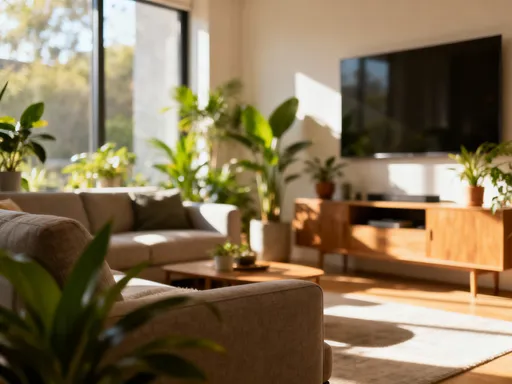
Indoor plants do more than beautify a space—they actively support health. Species like the snake plant, peace lily, and pothos are known for their air-purifying qualities and low maintenance. They absorb carbon dioxide at night, release oxygen, and filter out common indoor pollutants. But their impact goes beyond air quality. The act of caring for a plant—watering, pruning, observing growth—creates a form of informal mindfulness. It grounds you in the present moment, reducing rumination and anxiety without requiring formal meditation practice.
For those who believe they “don’t have a green thumb,” many houseplants thrive on neglect. The snake plant, for example, can survive in low light and only needs watering every few weeks. Aloe vera is another resilient option, with the added benefit of providing soothing gel for minor burns or dry skin. Placing a plant on your desk, kitchen windowsill, or bedside table introduces a living, breathing element into your space—one that subtly signals safety and vitality to your nervous system.
Over time, residents who bring nature indoors often report calmer mornings, improved mood, and even lower resting heart rates. One woman tracking her health metrics noticed a consistent drop in her blood pressure readings after adding three plants to her living room and bedroom. She attributed the change not to diet or medication, but to the sense of peace the greenery brought to her environment. This isn’t a replacement for medical care, but it’s a powerful complement—one that costs little and yields significant emotional and physiological returns.
Soundscapes and Silence: Tuning Your Space for Mental Balance
Sound is a constant, often unnoticed, influence on mental state. While we may appreciate music or conversation, the background noise of modern life—traffic, appliances, digital notifications—can overstimulate the nervous system. Chronic exposure to low-level noise has been linked to elevated stress hormones, increased heart rate, and reduced cognitive performance. For women managing households, the cumulative effect of constant auditory input can lead to mental exhaustion, emotional reactivity, and difficulty concentrating.
The body responds to sound as a signal of safety or threat. In natural environments, sounds are typically rhythmic and predictable—waves, wind, birdsong. In contrast, urban and indoor noise is often erratic and jarring, keeping the brain in a state of low-grade alertness. Over time, this contributes to what researchers call “attentional fatigue,” where the brain struggles to focus or regulate emotions effectively. The solution isn’t silence alone, but intentional sound management.
One effective strategy is to introduce calming soundscapes during rest periods. White noise machines or apps that play nature sounds—rainfall, ocean waves, or forest birds—can mask disruptive background noise and create a more predictable auditory environment. These sounds help the brain relax by reducing the contrast between sudden noises and silence. For better sleep, many find that a fan or white noise machine improves sleep continuity by preventing abrupt awakenings from household sounds.
Equally important is creating periods of intentional quiet. Designating device-free hours—especially in the evening—reduces auditory clutter and supports mental recovery. Simple changes like turning off the TV when not actively watching, silencing non-essential notifications, or using noise-canceling headphones during focused tasks can significantly reduce cognitive load. Some people also benefit from soundproofing key areas, such as adding rugs to reduce echo or using heavy curtains to block outside noise.
Over time, these adjustments lead to better emotional regulation, fewer afternoon energy crashes, and improved concentration. One participant in a noise-reduction trial reported that after implementing evening quiet hours, she felt more patient with her children and less prone to irritability. Another noticed that working in a quieter space allowed her to complete tasks more efficiently. These changes don’t require drastic measures—they simply involve becoming more aware of what you’re hearing and making small, deliberate choices to protect your mental space.
Tracking Progress: Seeing the Proof in Everyday Health Indicators
One of the most empowering aspects of environmental health changes is that the results are often visible in everyday experiences. Unlike medical tests that require appointments and equipment, the benefits of a well-designed home reveal themselves in subtle but meaningful ways. Pay attention to non-medical indicators such as sleep quality, energy patterns, mood stability, and digestion. Do you wake up feeling rested? Are afternoon slumps less frequent? Do you feel calmer during stressful moments? These are valid signs of physiological improvement.
Tracking doesn’t require journals or apps—simply practice mindful observation. Notice how you feel when entering different rooms. Does your kitchen feel inviting, encouraging healthy cooking? Does your bedroom support relaxation, or does it feel cluttered and overstimulating? Over weeks, you’ll begin to see patterns. For example, you might realize that on days when you open the curtains and let in natural light, your mood is brighter. Or that after decluttering the living room, you feel more motivated to exercise at home.
The goal isn’t perfection, but awareness. Some days will be better than others, and that’s normal. What matters is the overall trend. When small changes accumulate, they create a supportive environment that works quietly in the background. You’re not forcing your body to change—you’re removing obstacles that were holding it back. This approach is sustainable because it doesn’t rely on willpower alone; it’s about designing a space that naturally encourages well-being.
Ultimately, lasting health isn’t only about what you eat or how much you move. It’s about the conditions that allow your body and mind to function at their best. By reshaping your home environment in thoughtful, evidence-based ways, you create a foundation for wellness that doesn’t demand constant effort. These changes may seem minor, but their impact is profound. Over time, you’ll breathe easier, sleep deeper, and move through your days with greater calm and clarity. And that’s the kind of health that lasts.
Improving your health doesn’t have to start with drastic diets or grueling workouts. Often, the most sustainable progress begins where you spend most of your time—your home. By reshaping your environment in small, intentional ways, you create a silent support system that helps your body and mind thrive. These changes won’t shout for attention, but over time, you’ll feel the difference in your breath, your sleep, and your sense of calm. And that’s real, lasting wellness.