This Tiny Austrian Village Stole My Heart – And You Gotta See Its Magic Public Spaces
Nestled between mirror-like Lake Hallstatt and towering alps, this story isn’t just about scenery—it’s about how public spaces shape unforgettable travel moments. I wandered cobbled lanes, shared smiles on wooden benches, and felt the quiet pulse of community in every corner. Hallstatt proves that beauty isn’t only in postcard views, but in shared human experiences. Let me take you through the soul of a village where every square, dock, and pathway feels like home.
Arrival: First Impressions of Hallstatt’s Public Pulse
Stepping off the ferry onto Hallstatt’s narrow wooden dock is like entering a living postcard—one that breathes, moves, and welcomes you without fanfare. The first thing you notice isn’t the snow-capped peaks or the glassy lake, but the rhythm of movement: a local in a wool cap nodding hello, a family unzipping backpacks, a photographer adjusting her lens as the morning mist lifts. The dock itself is modest—weathered planks, simple railings, no grand terminal—yet it functions perfectly as a threshold between journey and arrival. It’s a public space designed not for spectacle, but for transition, gently guiding visitors into the village’s intimate embrace.
From the dock, a narrow boardwalk curves along the lakeshore, flanked by wild grasses and the occasional moored rowboat. There are no signs shouting directions, no souvenir kiosks blocking the view. Instead, subtle cues—stone markers, gently sloped pathways, and strategically placed benches—encourage a natural flow. This intentional simplicity is part of what makes Hallstatt feel so authentic. Unlike tourist-heavy towns where public spaces are overtaken by commerce, here the design prioritizes human scale and comfort. You’re not pushed toward shops; you’re invited to walk, pause, and absorb.
The layout fosters connection without forcing it. Travelers often stop mid-stride to let others pass, exchanging quiet greetings in multiple languages. Locals carrying grocery bags weave through the flow with ease, reminding visitors that this is not a museum exhibit but a lived-in community. The public space at the point of arrival sets a tone of respect—between people, between visitors and residents, and between humanity and nature. It’s a subtle lesson in how thoughtful urban design can shape behavior, encouraging mindfulness over haste, presence over performance.
Even the sound contributes to the atmosphere. The lap of water against the pilings, the distant chime of church bells, the rustle of leaves in the alpine breeze—these are not background noise, but essential elements of the experience. The absence of traffic, due to the village’s car-free policy, amplifies this sense of calm. What emerges is a public space that doesn’t just serve function, but nurtures feeling. It’s the first whisper of Hallstatt’s deeper magic: that beauty is not only seen, but felt in the body and mind.
The Market Square: Where Community Comes Alive
Just a few minutes’ walk from the dock, Hallstatt’s market square unfolds like the heart of a well-tended garden. Compact, cobbled, and framed by pastel-colored buildings with flower boxes spilling over, the square is neither grand nor overly manicured. Instead, it pulses with quiet daily life. By 7 a.m., vendors begin setting up small stalls—fresh bread from the local bakery, jars of wildflower honey, handmade soaps wrapped in linen. A coffee cart opens under an awning, its steam curling into the cool air as regulars line up for their morning brew. This is not a performance for tourists; it’s the real rhythm of village life, open for all to witness and join.
What makes this square special is its scale and accessibility. Unlike the vast plazas of major European cities, Hallstatt’s central space feels intimate, almost domestic. There are no wide-open expanses that intimidate with emptiness, nor are there crowds so dense they erase personal space. Instead, low stone walls, wooden benches, and clusters of tables create pockets where people can gather or sit alone. Parents watch toddlers chase pigeons near the fountain, while elderly couples sip tea at a corner café, their conversation a soft murmur beneath the chattering swallows.
The design encourages lingering. There are no time pressures, no need to move on to the next attraction. People sit for long stretches, reading books, sketching the view, or simply watching the light shift across the square. This ability to stay—to exist without purpose—is a rare gift in modern travel, and Hallstatt offers it freely. The square becomes a stage for small, unscripted moments: a child sharing a cookie with a dog, a traveler asking for directions in broken German, met with a patient smile and a hand-drawn map.
Yet, despite its popularity, the square never feels overrun. Local regulations limit commercial expansion, preserving open space and preventing the kind of souvenir sprawl that can erode authenticity. Vendors are often residents, their presence a natural extension of community life rather than a tourist trap. This balance—between welcoming visitors and protecting local identity—is a model for sustainable tourism. The market square is not just a place to see; it’s a place to belong, even if only for a morning. In its quiet way, it teaches that public spaces thrive not through grandeur, but through humanity.
Lakeside Promenades: Walking, Pausing, Belonging
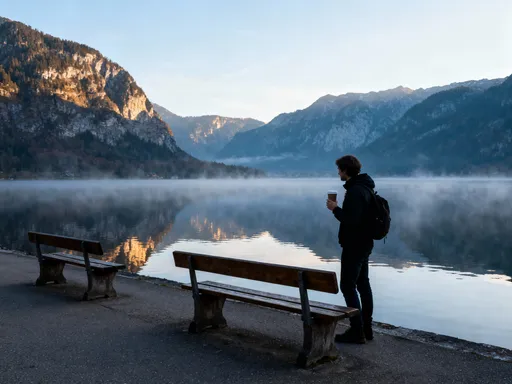
Following the curve of the lake, Hallstatt’s promenades are more than just scenic paths—they are invitations to slow down and reconnect. Lined with weathered wood railings and dotted with benches facing the water, these walkways are designed for pause as much as for movement. Each turn reveals a new vantage point: the reflection of the Dachstein Mountains in the still water, a fisherman casting his line at dusk, children skipping stones along the shore. The path doesn’t rush you; it unfolds gradually, like a conversation with the landscape.
One of the most powerful aspects of these promenades is their accessibility. Unlike elevated viewpoints that require strenuous hikes, these lakeside routes are gentle, flat, and open to all—families with strollers, elderly visitors, travelers with limited mobility. This inclusivity is not an afterthought; it’s built into the design. Handrails are sturdy, surfaces are slip-resistant, and rest spots are frequent. The message is clear: everyone is welcome to experience this beauty, not just the young or the athletic.
Along the way, small docks extend into the water, allowing visitors to step closer to the lake’s edge. Some are used for mooring boats; others serve as quiet perches for reflection. I remember sitting on one at dawn, wrapped in a light jacket, watching the mist rise like breath from the surface. A heron glided past, and for a moment, the world felt suspended. These are the moments that stay with you—not because they were planned, but because the space allowed them to happen.
The emotional resonance of the promenades comes from their balance of structure and spontaneity. The path is defined, but what you do on it is not. You can walk briskly, take photos, sketch, meditate, or simply stand and breathe. There are no loudspeakers, no vendors shouting deals, no crowds pressing forward. The only soundtrack is nature and the soft footsteps of fellow travelers. This sensory calm creates space for introspection, making the promenade not just a physical route, but an emotional journey. It’s a reminder that public spaces can be restorative, offering peace in a world that often feels too loud and too fast.
Hidden Corners: Off-the-Beaten-Path Public Nooks
Beyond the main routes, Hallstatt reveals a network of quiet, often overlooked spaces that speak to the village’s deeper character. These are not marked on most tourist maps, yet they are essential to its charm. A narrow stone staircase, tucked between two houses, climbs into the hillside, opening onto a small terrace with a bench and a view of the entire lake. Another hidden parklet, shaded by ancient linden trees, sits beneath the church wall, where a single bird feeder draws finches and sparrows throughout the day. These micro-spaces are not designed for crowds, but for solitude, reflection, and the simple joy of discovery.
What makes these nooks so powerful is their sense of intimacy. They are not grand viewpoints or photo opportunities, but places where time slows. You might find an elderly resident reading a newspaper in one, or a young couple sharing a quiet conversation in another. These moments are not staged; they are part of the village’s quiet rhythm. The existence of such spaces signals a community that values stillness as much as activity, privacy as much as connection.
From an urban design perspective, these hidden corners demonstrate the importance of variety in public space. Not every area needs to serve large groups or high traffic. Smaller, quieter zones provide balance, offering retreats for those who need them. They also encourage exploration, rewarding curiosity with beauty. A traveler who strays from the main path might find a sunlit bench overlooking the rooftops, or a centuries-old plaque describing a local legend. These discoveries create personal memories, not just generic experiences.
Moreover, these spaces reflect a deep respect for the natural landscape. Steps follow the contours of the hill; benches are placed where trees provide shade; materials blend with the surroundings. There is no attempt to dominate the terrain—only to enhance it gently. This harmony between built and natural environments is a hallmark of Hallstatt’s design philosophy. It reminds us that public spaces don’t need to be grand to be meaningful. Sometimes, the smallest corners hold the deepest magic.
Church and Cemetery: Sacred Spaces Open to All
Perched on a gentle slope above the village, Hallstatt’s Protestant church and Catholic cemetery are among its most serene public spaces. Though rooted in faith, they are not closed off to outsiders. Instead, they are open, accessible, and deeply integrated into the fabric of daily life. The cemetery, in particular, is unlike any other—its small, colorful graves adorned with iron crosses, painted motifs, and fresh flowers, many dating back centuries. Paths wind between the tombs, lined with boxwood hedges and shaded by tall pines, creating a peaceful labyrinth for walking and contemplation.
Visitors move quietly, not out of obligation, but out of respect. There are no loud voices, no selfie sticks, no rushing. People sit on benches, reading or gazing at the panoramic view of the lake below. The atmosphere is one of gentle reverence, not solemnity. It’s a place where history, nature, and spirituality converge. The gravestones tell stories—of families, of trades, of lives lived close to the land. Some are inscribed with poems, others with simple names and dates, each a quiet testament to a life once lived in this beautiful place.
The churchyard functions as both a memorial and a garden, maintained with care by the community. It hosts occasional concerts, memorial services, and quiet gatherings, yet remains open at all hours for individual reflection. This inclusivity is remarkable—sacred space treated not as exclusive, but as shared. Travelers of all backgrounds are welcome to sit, breathe, and find their own meaning in the stillness.
For many visitors, this space becomes unexpectedly moving. It’s not about religion, but about connection—to time, to place, to the continuity of human experience. In a world that often feels transient, the cemetery offers a sense of permanence. It reminds us that we are part of something larger, even as we pass through. Hallstatt’s ability to make sacred space feel accessible and comforting is a testament to its deep understanding of public life: that true community includes moments of quiet, of remembrance, of peace.
Seasonal Shifts: How Public Life Changes with the Year
One of Hallstatt’s most enchanting qualities is how its public spaces transform with the seasons, each bringing a new rhythm and mood. In winter, a blanket of snow softens the village, turning the lake into a mirror of white and gray. The market square hosts a small Christmas market, with wooden huts selling mulled wine, gingerbread, and hand-knit woolens. Lights twinkle in the windows, and the air carries the scent of cinnamon and pine. Though colder, the village feels cozier, its public spaces glowing with warmth and invitation.
Spring arrives with a burst of color—daffodils along the promenade, cherry blossoms near the church, fresh green shoots in the hills. The ferry runs more frequently, and locals begin opening their gardens to visitors. The square fills with the sound of children laughing, and outdoor seating at cafés expands. This is a time of renewal, both in nature and in community life. Public spaces become stages for reconnection, as residents emerge from winter’s quiet and visitors return to witness the rebirth of the landscape.
Summer brings the most visitors, and with them, a livelier pulse. The docks are busy, the paths more crowded, and the square hums with conversation in dozens of languages. Yet, even at peak season, the village maintains its calm. Regulations on group sizes and guided tours help prevent overcrowding. Locals continue their routines—walking dogs, shopping, meeting friends—unhurried by the influx. The public spaces absorb the energy without losing their soul.
Autumn paints the hills in gold and crimson, and the air grows crisp. Mist often lingers on the lake in the mornings, creating a dreamlike atmosphere. Fewer tourists mean more space for quiet walks and reflection. The cemetery, framed by red leaves, becomes especially moving. Seasonal festivals celebrate the harvest, with local food and music in the square. These rhythms—of growth, abundance, rest, and return—shape how people use and feel public spaces throughout the year. They remind us that place is not static, but alive, changing with time and weather, yet always rooted in community.
Lessons from Hallstatt: Designing Human-Centered Travel Destinations
Hallstatt’s magic lies not in its fame or its scenery alone, but in how its public spaces are designed with people in mind. Every bench, path, square, and viewpoint reflects a deep understanding of human needs: for connection, for quiet, for beauty, for belonging. The village demonstrates that successful public spaces are not about size or spectacle, but about scale, authenticity, and inclusivity. They must be accessible to all, respectful of local life, and harmonious with nature.
One of the most important lessons is the value of restraint. Hallstatt does not overbuild, over-brand, or over-commercialize. It preserves open space, limits traffic, and protects views. This discipline allows the natural and human elements to shine. Another lesson is integration—public spaces here are not separate from daily life, but part of it. The market square is where locals shop; the promenade is where families walk; the cemetery is where memories are kept. When public spaces serve real life, they become meaningful, not just decorative.
For travelers, Hallstatt offers a model of how to engage with a place more deeply. Instead of chasing checklists, we can learn to linger, observe, and participate in the quiet moments. For urban planners and destination managers, it shows that sustainability is not just environmental, but social—rooted in how people experience and inhabit space. Tourism can coexist with community, but only when public spaces are designed for both.
As the sun sets over Lake Hallstatt, casting long shadows across the water, the village settles into a gentle hush. Lights flicker on in the windows, and the last ferry glides silently to shore. The public spaces, now quiet, still hold the day’s warmth—the laughter, the glances, the shared silences. This is the true magic of Hallstatt: not that it is beautiful, but that it makes you feel at home. And perhaps, that is the highest purpose of any public space—to welcome, to hold, and to belong.