What I Didn’t Expect About Port Vila’s Architecture Will Blow Your Mind
You know what? I thought Port Vila was just palm trees and beaches—cute, but predictable. Boy, was I wrong. Walking through the city, I kept doing double takes at the buildings. There’s this wild mix of colonial bones, Pacific soul, and modern island flair that nobody talks about. It’s not just huts and hotels—there’s story in every wall, color in every corrugated roof. This is architecture that breathes history, climate, and culture all at once. And trust me, once you see it, you’ll feel it too.
First Impressions: Beyond Beaches and Bungalows
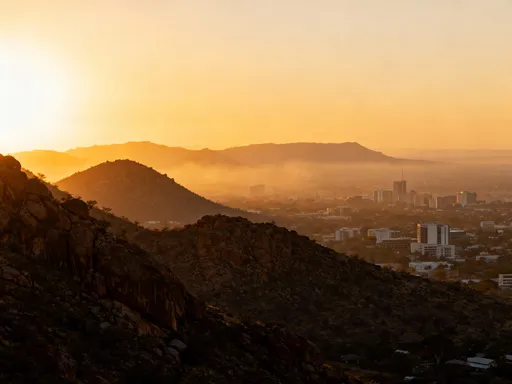
Most travelers arrive in Port Vila with postcard expectations: white sand, turquoise water, and thatched-roof bungalows bobbing over the lagoon. These images dominate brochures and social media, shaping a narrow view of Vanuatu’s capital. But as the plane descends toward Bauerfield International Airport, a different picture emerges—one of clustered rooftops, winding streets, and a modest skyline defined not by skyscrapers, but by church spires and market sheds. The first step off the tarmac reveals a working city, not just a resort. Shops line the roads, scooters weave through traffic, and public buildings stand with quiet dignity. This is a place where life happens, not just where vacations unfold.
What surprised me most was the clarity of urban planning. Unlike the sprawling informality of some Pacific capitals, Port Vila has a discernible structure—administrative zones, commercial strips, residential neighborhoods, and cultural hubs. The central business district, though compact, functions with efficiency. Government offices sit alongside banks, post offices, and small eateries, all housed in buildings that range from weathered colonial relics to freshly painted modern blocks. There’s a rhythm to the streets, a sense of order that speaks to decades of civic development. It’s not flashy, but it’s functional, grounded, and deeply human.
This blend of practicality and cultural presence sets the tone for everything that follows. Architecture here doesn’t just shelter people—it tells you who they are. You can feel the balance between tradition and progress in the way buildings are placed, shaped, and maintained. A roadside kava bar might be tucked into a repurposed shipping container, while a few blocks away, a newly built community center echoes the form of a traditional nakamal. These contrasts aren’t jarring—they’re harmonious, like different instruments in the same melody. Port Vila’s built environment doesn’t shout; it whispers stories, if you’re willing to listen.
Colonial Echoes: The French-British Legacy in Brick and Timber
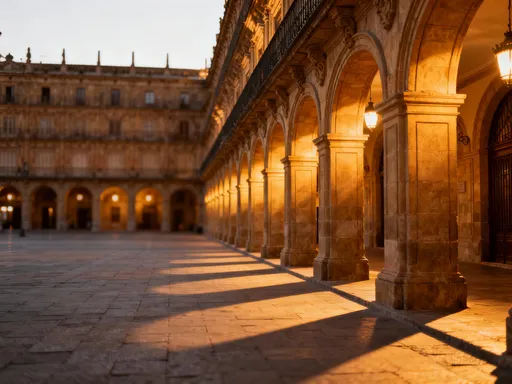
Port Vila’s architectural character is deeply shaped by its unique colonial past. From 1906 to 1980, Vanuatu—then known as the New Hebrides—was governed under an Anglo-French condominium, a rare political arrangement in which two colonial powers shared control. This dual influence left a distinct mark on the city’s streetscapes, visible in everything from street names to building styles. You’ll find French-inspired shutters next to British-style administrative facades, a physical manifestation of a complex history. These aren’t just aesthetic quirks—they reflect a layered identity that continues to shape national character.
Some of the most enduring examples of this era are the colonial-era government buildings still in use today. The old post office, with its wide verandas and corrugated iron roof, stands as a testament to early 20th-century design adapted for tropical living. Its high ceilings promote airflow, while louvered windows allow light and breeze to filter through without sacrificing privacy. Many of these structures sit on raised foundations, a practical response to humidity and flooding, yet they also give the buildings a stately presence, as if lifted above the everyday. Churches, too, carry this legacy—the Anglican Christ Church and the Catholic St. Bernard’s Cathedral reflect their respective traditions in form and ornament, yet both incorporate local materials and craftsmanship.
Residential architecture from this period tells a similar story. Scattered across neighborhoods like Halls Road and Riviere Salee, you’ll find bungalows with wide eaves, timber frames, and wraparound verandas. These homes were designed for comfort in the heat, prioritizing ventilation and shade over enclosure. Even now, their design principles influence modern construction. What’s remarkable is how many of these buildings have survived cyclones, earthquakes, and decades of wear. They’re not museum pieces; they’re lived-in, maintained, and respected. This continuity speaks to a cultural value placed on heritage—not as something frozen in time, but as a living foundation for the present.
Local Identity: Traditional Materials Meet Modern Needs
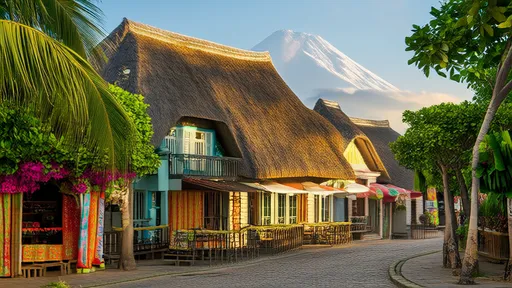
While colonial architecture provides historical depth, the soul of Port Vila’s built environment lies in its embrace of indigenous design. Across the city, traditional materials like bamboo, thatch, and sustainably harvested hardwoods are not relics of the past—they’re actively used in new constructions. This isn’t nostalgia; it’s practical wisdom. These materials are locally available, naturally insulating, and culturally meaningful. A bamboo-framed market stall isn’t just cost-effective—it breathes with the climate, sways gently in the wind, and connects the user to ancestral knowledge.
One of the most powerful symbols of this continuity is the nakamal, a traditional Melanesian meeting house. In villages across Vanuatu, the nakamal serves as a communal space for discussion, ceremony, and kava drinking. In Port Vila, this form has been reinterpreted in modern contexts. Cultural centers, eco-lodges, and even some restaurants incorporate nakamal-inspired designs—open-sided structures with high thatched roofs that encourage airflow and social interaction. These spaces reject the isolation of four walls and a door, instead inviting conversation, connection, and shared experience. The architecture itself becomes a facilitator of community.
What’s especially striking is how these traditional forms coexist with modern needs. A guesthouse might combine a concrete foundation with a thatched roof and woven bamboo walls. Solar panels sit atop buildings that otherwise look centuries old. This isn’t a contradiction—it’s a synthesis. Architects and builders in Port Vila aren’t choosing between old and new; they’re blending them. The result is a built environment that feels authentic without being stuck in the past. It honors heritage while adapting to contemporary life, offering a model of cultural resilience that other island nations might learn from.
Survival Architecture: Building to Withstand Nature’s Fury
Vanuatu sits in the Pacific Ring of Fire, making it vulnerable to cyclones, earthquakes, and volcanic activity. Port Vila has weathered multiple major storms, including Cyclone Pam in 2015, which caused widespread destruction across the archipelago. In the aftermath, rebuilding wasn’t just about restoring what was lost—it was an opportunity to rethink how structures are designed. The concept of “survival architecture” has since become central to urban planning, emphasizing resilience without sacrificing cultural identity.
Today, many new buildings incorporate cyclone-resistant features: metal roofing secured with extra fasteners, reinforced concrete frames, and lower, more aerodynamic profiles. Roofs are often designed with steeper pitches to reduce wind uplift, and overhangs are minimized to prevent damage. These aren’t arbitrary choices—they’re informed by engineering studies and hard-won experience. At the same time, efforts are made to keep these structures visually consistent with local aesthetics. A storm-proof house doesn’t have to look like a bunker; it can still have wide eaves, natural ventilation, and traditional ornamentation.
Community-led initiatives have also played a vital role. After Cyclone Pam, local builders worked with international aid organizations to develop low-cost, resilient housing models using local materials. These designs prioritize ease of repair—if a thatched roof is damaged, it can be replaced quickly without needing specialized tools or imported parts. Government programs now promote building codes that balance safety with affordability, ensuring that even modest homes can withstand extreme weather. This approach reflects a deeper philosophy: resilience isn’t just about strength—it’s about adaptability, knowledge, and community.
Urban Evolution: Port Vila’s Growing Cityscape
As Vanuatu’s economy has grown, so has Port Vila. Tourism, remittances, and an increasing expatriate population have driven demand for new infrastructure. The city has expanded outward, with new residential developments, shopping centers, and guesthouses appearing on its edges. This growth brings both opportunity and challenge. On one hand, modernization improves access to services and creates jobs. On the other, it risks erasing the architectural character that makes Port Vila unique.
In the central areas, you’ll find a mix of concrete commercial buildings, some designed with tropical modernism in mind—large shaded windows, open layouts, green roofs. Others, however, feel imported, with little regard for local climate or culture. Glass-fronted shops may look sleek, but they trap heat, requiring constant air conditioning. Some newer apartment blocks mimic urban designs from Australia or New Zealand, ignoring the need for cross-ventilation and outdoor living spaces. This tension between global trends and local needs is visible in the city’s evolving skyline.
Yet, there are signs of thoughtful development. Several eco-resorts and boutique hotels have been built with sustainability in mind, using passive cooling, rainwater harvesting, and solar energy. Local architects are gaining recognition for designs that merge modern functionality with traditional forms. The challenge now is ensuring that growth doesn’t come at the cost of authenticity. Urban planning policies are beginning to emphasize heritage preservation, encouraging developers to integrate cultural elements rather than overwrite them. The goal isn’t to freeze the city in time, but to guide its evolution with intention.
Hidden Details: The Colors, Carvings, and Little Touches That Tell Stories
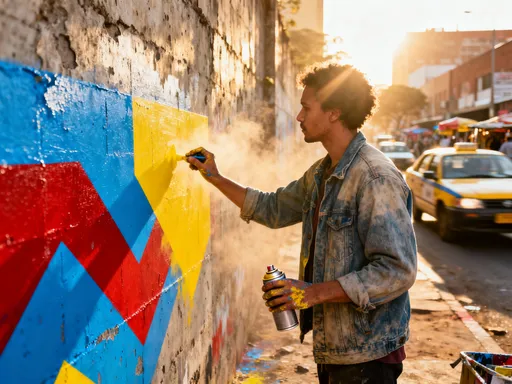
One of the joys of walking through Port Vila is discovering the small details that reveal deeper meaning. At first glance, a brightly painted house might seem like simple decoration. Look closer, and you’ll notice that the colors—deep reds, ocean blues, earthy yellows—often reflect elements of Melanesian art and symbolism. Red can represent strength or ancestral connection; blue may evoke the sea that sustains life; yellow mirrors the sun and vitality. These hues aren’t chosen randomly—they’re expressions of identity, painted onto walls like quiet declarations.
Wood carvings are another signature touch. You’ll find them on church eaves, market stalls, and the gates of private homes. These carvings often depict ancestral figures, local animals, or spiritual symbols, each carrying stories passed down through generations. Even in modern buildings, this tradition persists. A newly built community center might feature a carved lintel above its entrance, linking the present to the past. These aren’t ornamental afterthoughts—they’re integral to the structure’s meaning.
Then there are the woven facades—panels of pandanus or coconut palm fronds used as wall coverings or screens. They provide shade, allow airflow, and add texture to otherwise plain surfaces. In markets like the Port Vila Municipal Market, these materials dominate, creating a sensory experience where sight, sound, and smell blend together. Vendors sit beneath thatched awnings, their goods displayed on bamboo racks. The architecture here isn’t grand, but it’s alive, shaped by daily use and cultural practice. These details don’t shout for attention—they invite you to look, to notice, to appreciate.
Why This Matters: Architecture as Cultural Compass
In an age of globalization, where cities around the world risk becoming indistinguishable, Port Vila’s architecture stands as a quiet act of resistance. It refuses to erase its past or mimic foreign models uncritically. Instead, it draws from multiple sources—colonial, indigenous, modern—to create something uniquely its own. This isn’t just about aesthetics; it’s about identity. The way a building is designed, what materials are used, how it interacts with the environment—all of these choices reflect values. In Port Vila, those values include resilience, community, and cultural continuity.
For travelers, this offers a deeper way to engage with the destination. Rather than seeing Vanuatu as just a tropical escape, visitors can come to understand it as a living culture with a rich history and a thoughtful approach to the future. Sustainable tourism doesn’t only mean minimizing environmental impact—it also means respecting and learning from local ways of life. When tourists notice the craftsmanship in a carved post or the logic behind a raised foundation, they’re not just observing architecture—they’re connecting with people.
Moreover, this architectural identity fosters pride among residents. When a community sees its traditions reflected in public buildings, schools, and homes, it reinforces a sense of belonging. It says: your way of life matters. In a small nation vulnerable to external pressures—from climate change to economic shifts—this kind of cultural confidence is invaluable. Architecture, in this sense, becomes more than shelter. It becomes a form of storytelling, a way of saying, “We are here. We have endured. We are building forward, on our own terms.”
Port Vila’s architecture is more than a backdrop—it’s a living narrative of resilience, fusion, and identity. From colonial relics to storm-ready homes, every structure reveals a chapter of Vanuatu’s journey. Travelers who look beyond the beach will find a city quietly asserting its soul, one roof at a time. Next time you visit, don’t just see the scenery—read the walls.