You Won’t Believe What Johannesburg’s Art Scene Is Hiding
Johannesburg is more than just a city—it’s a living canvas. I never expected to fall in love with its art and culture the way I did. From bold street murals to underground galleries, every corner tells a story. This isn’t just sightseeing; it’s soul-connecting. If you think South Africa’s cultural heart beats only in Cape Town or Durban, think again. Johannesburg pulses with raw creativity, and once you step into its artistic world, you’ll see why it’s a must-visit for anyone who craves authentic, powerful expression.
The Soul of the City: Understanding Johannesburg’s Cultural Pulse
Johannesburg, often referred to as Jo’burg, is a city forged in transformation. Its art scene is not a mere reflection of aesthetic trends but a direct response to decades of social change, resilience, and reimagined identity. Born from the ashes of apartheid and reshaped by waves of urban migration, Jo’burg’s creative spirit is deeply rooted in the need to speak, to be seen, and to heal. The city’s art does not exist in isolation—it emerges from townships, inner-city neighborhoods, and university campuses, where young people are using paint, sculpture, and performance to reclaim narratives and celebrate diversity.
Post-apartheid South Africa opened doors for cultural expression that had long been suppressed. In Johannesburg, this liberation took the form of public art initiatives, community theater projects, and grassroots galleries that gave voice to previously marginalized communities. Organizations such as the Market Photo Workshop and Greatmore Studios have played pivotal roles in nurturing emerging artists, offering training, exhibition space, and international exposure. These programs are not just about skill development—they are about empowerment, providing tools for self-expression in a society still grappling with inequality and identity.
What sets Johannesburg’s art apart is its urgency. Unlike decorative works created for luxury spaces, much of Jo’burg’s art carries a message—about justice, memory, hope, or resistance. It is art that demands attention, not because of its size or price tag, but because of its emotional weight. Walking through certain neighborhoods, one can feel the pulse of a city still writing its story, with artists serving as both historians and visionaries. This authenticity resonates deeply with visitors, especially those seeking meaningful travel experiences beyond typical tourist attractions.
For the 30- to 55-year-old traveler—often balancing family life with a desire for personal enrichment—Johannesburg offers a rare opportunity: to witness creativity born not from privilege, but from perseverance. It is a city where art is not confined to museums but lives in the streets, in markets, and in community centers. To understand Jo’burg is to recognize that its cultural pulse beats strongest where people come together to create, share, and remember.
Street Art That Speaks: Murals and Messages Across the City
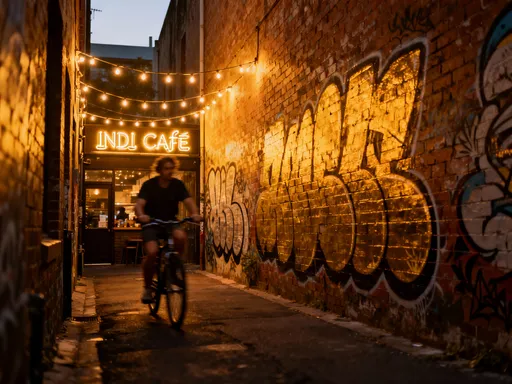
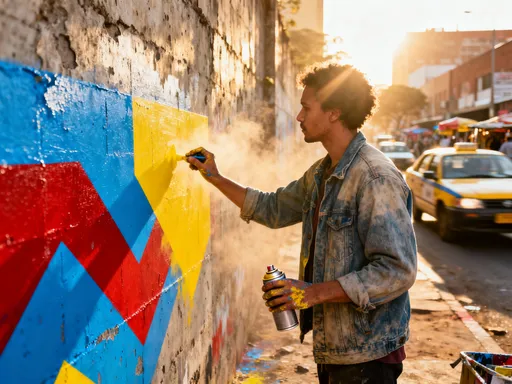
One of the most powerful ways to experience Johannesburg’s artistic energy is through its street art. Unlike curated gallery pieces, murals offer unfiltered, immediate expressions of the city’s soul. In neighborhoods like Maboneng, Braamfontein, and Newtown, entire walls serve as canvases for stories of identity, struggle, and aspiration. These are not random graffiti tags but carefully composed works by artists who use public space to provoke thought, spark dialogue, and beautify neglected areas.
Maboneng, once an industrial district, has been transformed into a creative hub where art and urban renewal go hand in hand. Walking through its alleys, one encounters large-scale murals depicting figures from South African history, abstract representations of unity, and vibrant portraits of everyday people. The color palette is bold—deep reds, electric blues, and golden yellows—mirroring the city’s dynamic spirit. Artists like Faith47 and Falko One have left their mark here, blending global influences with local themes to create works that are both personal and universal.
Braamfontein, home to several universities, thrives on youthful energy and intellectual curiosity. The walls around Bree Street and Juta Street are adorned with politically charged pieces addressing topics such as gender equality, climate change, and social justice. Some murals incorporate text in multiple South African languages, reinforcing the idea of inclusivity. Others use surreal imagery—floating heads, distorted faces, or symbolic animals—to convey complex emotions. These works invite passersby to pause, reflect, and sometimes even participate, as some artists host live painting sessions open to the public.
Newtown, historically a cultural precinct, continues to be a center for artistic activity. The area around the Market Theatre and Mary Fitzgerald Square features murals that celebrate performing arts, jazz heritage, and community resilience. One notable piece depicts a woman playing a marimba, surrounded by children dancing—symbolizing the transmission of culture across generations. For travelers interested in self-guided exploration, a walking route connecting these three neighborhoods offers a rich visual narrative of Johannesburg’s past, present, and future.
Street art in Jo’burg is not just about aesthetics; it’s about accessibility. Anyone can view it at any time, free of charge. It democratizes art, making it available to all, regardless of background or income. For families traveling with older children or teenagers, these murals provide engaging, educational moments—an opportunity to discuss history, politics, and creativity in a real-world context. And for women in their 30s to 50s, often seeking travel that combines beauty with depth, these open-air galleries offer a profound connection to the city’s heartbeat.
Inside the Galleries: Where Creativity Meets Curation
While street art captures the raw energy of Johannesburg, its formal galleries provide space for deeper reflection and appreciation. Institutions like the Johannesburg Art Gallery (JAG), SMAC Gallery, and Goodman Gallery represent different facets of the city’s artistic landscape—from historical collections to cutting-edge contemporary works. Each offers a distinct atmosphere, architectural style, and curatorial approach, making them essential stops for any art-focused visitor.
The Johannesburg Art Gallery, located in Sauer and Church Streets, is one of the largest art museums in sub-Saharan Africa. Housed in a neoclassical building surrounded by manicured gardens, JAG holds a diverse collection ranging from 17th-century European paintings to modern African sculptures. Its permanent exhibits include works by South African icons such as Gerard Sekoto and Irma Stern, as well as rotating international exhibitions. For travelers, a visit here offers both aesthetic pleasure and historical insight, particularly in its sections dedicated to anti-apartheid art and post-1994 cultural transformation.
SMAC Gallery, with locations in Braamfontein and Stellenbosch, focuses on contemporary South African artists. The Jo’burg branch, situated in a sleek, modern building, often features multimedia installations, video art, and experimental photography. Exhibitions here tend to be thought-provoking, exploring themes like urbanization, memory, and identity. The gallery staff are known for their approachability, often available to discuss the meaning behind specific works or recommend emerging artists to follow. This personal touch enhances the visitor experience, making contemporary art feel less intimidating and more accessible.
Goodman Gallery, founded in 1966, holds a special place in South Africa’s art history. It was one of the first galleries to represent Black artists during apartheid and continues to champion socially engaged art. Located in Parkwood, its spacious exhibition halls showcase works by internationally recognized figures like David Goldblatt and Sue Williamson. What makes Goodman Gallery particularly compelling is its commitment to context—each exhibition is accompanied by detailed narratives, artist interviews, and historical background, helping visitors understand the deeper significance of what they are seeing.
For practical planning, the best time to visit these galleries is weekday mornings, when crowds are smaller and lighting conditions optimal for viewing art. Most galleries offer free admission or nominal entry fees, and some provide guided tours upon request. Families may appreciate the educational programs available at JAG, while independent travelers might enjoy attending opening nights, which often include artist talks and live music. Regardless of preference, these spaces demonstrate how Johannesburg balances tradition and innovation, honoring its past while boldly shaping its artistic future.
Market & Makers: Finding Authentic Art in Local Hubs
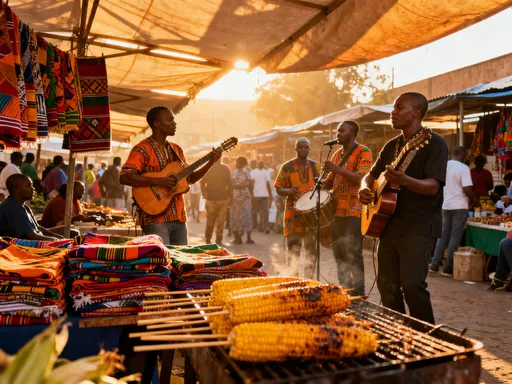
Beyond galleries and murals, Johannesburg’s art scene thrives in its markets—vibrant, sensory-rich spaces where creativity meets craftsmanship. The Rosebank Art and Craft Market and Market on Main are two of the most popular destinations for travelers seeking authentic, locally made pieces. These are not souvenir stalls but dynamic hubs where artisans display textiles, ceramics, jewelry, wood carvings, and mixed-media works, each carrying cultural meaning and personal stories.
The Rosebank Market, held every Sunday, attracts both locals and tourists with its wide array of handmade goods. Stalls are neatly arranged under shaded canopies, offering everything from beaded Zulu necklaces to hand-thrown pottery. Many vendors are artists themselves, happy to explain their techniques and inspirations. One might meet a woman from Limpopo who uses natural dyes to create intricate patterns on cotton fabric, or a sculptor from Soweto who transforms recycled metal into expressive animal figures. Purchasing directly from these makers ensures that income supports individual creators rather than mass producers.
Market on Main, located in Maboneng, combines art, food, and performance in a lively urban setting. Open on Saturdays, it draws a younger, creative crowd and features a rotating selection of vendors. Here, one might find hand-stitched leather bags, screen-printed T-shirts with activist slogans, or contemporary African homeware. The market also hosts live music and pop-up exhibitions, creating an immersive cultural experience. For travelers, it’s an ideal place to pick up unique gifts or decorative items that reflect Jo’burg’s modern spirit.
When shopping at these markets, ethical considerations matter. Visitors are encouraged to engage respectfully with vendors, asking questions rather than making assumptions. Bargaining is acceptable but should be done politely and fairly—remember that prices often reflect hours of labor and material costs. Avoid purchasing items made from endangered animal products, even if offered as “traditional” crafts. Instead, focus on sustainable, human-made goods that honor cultural heritage without exploiting it.
For women traveling with a sense of purpose—whether as mothers, professionals, or lifelong learners—these markets offer more than shopping. They provide connection. A conversation with an artisan can become a window into another life, another worldview. And in supporting local makers, visitors contribute to a creative economy that values dignity, skill, and storytelling. In a world of mass production, such moments of authenticity are rare—and deeply rewarding.
Performance & Sound: The Rhythm of Urban Culture
Johannesburg’s artistic expression extends beyond the visual into the realm of performance. Theater, music, poetry, and dance animate the city’s cultural calendar, offering immersive experiences that blend entertainment with social commentary. For travelers who appreciate live art, Jo’burg delivers with venues that are both historic and vibrant.
The Market Theatre, located in Newtown, is one of South Africa’s most renowned performance spaces. Established during apartheid as a platform for non-racial theater, it continues to produce bold, socially conscious plays. Its intimate staging allows audiences to feel close to the action, whether watching a reimagined Shakespeare tragedy or a new work about township life. Performances often include talkbacks with actors and directors, creating space for dialogue. For families or groups, attending a show here is more than a night out—it’s a shared experience of empathy and understanding.
Live music is another cornerstone of Jo’burg’s cultural life. Mary Fitzgerald Square regularly hosts free jazz concerts, drawing crowds of all ages. The sound of saxophones, pianos, and drum kits fills the air, creating an atmosphere of celebration and unity. Jazz in South Africa has deep roots in resistance and resilience, and hearing it performed live connects listeners to that legacy. Other venues, like The Orbit and Kippies International, offer nightly performances ranging from Afro-soul to experimental fusion. These spaces are intimate, often with small stages and close seating, making the experience feel personal and immediate.
Poetry slams and spoken word events are also thriving, particularly in university districts and independent cafes. Organized by collectives such as Word N Sound, these gatherings attract young writers who use rhythm and language to explore identity, love, and politics. The energy is electric, with audiences snapping fingers in appreciation instead of clapping. For travelers who enjoy literary arts, attending a poetry night offers a chance to hear unfiltered voices and witness the power of words in motion.
Dance, too, plays a vital role. Companies like Forgotten Angle Theatre Trust and Flatfoot Dance Company present contemporary works that blend traditional African movement with modern techniques. Performances often take place in community centers or outdoor spaces, emphasizing accessibility. Watching dancers move with strength and grace, telling stories through gesture and rhythm, is a deeply moving experience—one that transcends language and speaks directly to the heart.
For the 30- to 55-year-old traveler, these performances offer a balanced mix of enjoyment and enrichment. They are not passive spectacles but active engagements with living culture. Whether seated in a historic theater or standing in a sunlit square, one becomes part of a larger story—one of survival, creativity, and hope.
Hidden Studios: Going Behind the Scenes with Artists
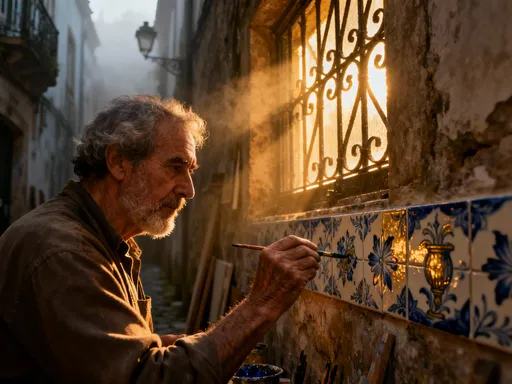
For those seeking a deeper connection, visiting artist studios offers an unparalleled glimpse into the creative process. Johannesburg is home to numerous working spaces where painters, sculptors, printmakers, and textile artists open their doors to the public. These are not polished showrooms but real workplaces—filled with brushes, clay, fabric scraps, and half-finished works—where inspiration takes shape.
Areas like Braamfontein and Maboneng host studio cooperatives such as David Krut Projects and Artist Proof Studio. These spaces function as both workshops and exhibition areas, allowing visitors to observe artists at work, ask questions, and even purchase pieces directly. Watching someone mix paint, carve wood, or weave thread brings a new appreciation for the time and skill involved in each creation. It also humanizes the art, transforming it from an object into a story.
Some studios offer short workshops, enabling travelers to try their hand at printmaking, beading, or ceramics. These hands-on experiences are especially meaningful for those who value experiential learning. They provide a sense of accomplishment and a personal memento far more valuable than any store-bought souvenir. For mothers traveling with adult children or friends, such activities foster bonding through shared creativity.
Booking a studio visit often requires advance coordination, as many operate by appointment only. Local tour operators specializing in cultural travel can arrange guided visits, ensuring respectful access and meaningful interactions. These tours sometimes include conversations with artists about their influences, challenges, and dreams—moments of vulnerability and honesty that leave lasting impressions.
What makes these behind-the-scenes experiences so powerful is their intimacy. In a world of digital reproductions and mass media, meeting an artist face-to-face restores a sense of authenticity. It reminds us that art is made by people—real people with real lives, struggles, and joys. For travelers seeking truth in their journeys, these encounters offer exactly that.
Planning Your Cultural Journey: Practical Tips for Art-Focused Travelers
Exploring Johannesburg’s art scene is both rewarding and manageable with thoughtful planning. The best time to visit is during the Southern Hemisphere’s spring and early summer—September to February—when the weather is mild and outdoor events are frequent. This period includes major cultural festivals such as the Joburg Art Fair and the National Arts Festival satellite events, offering concentrated opportunities to experience diverse art forms.
Getting around the city is easiest by car, though ride-sharing apps like Uber operate reliably in central areas. Public transport, including the Gautrain and Rea Vaya bus system, connects key districts and is safe and efficient. For art-focused itineraries, grouping visits by neighborhood—such as spending a day in Maboneng and Braamfontein—minimizes travel time and maximizes immersion.
Safety is a common concern, but with basic precautions, Jo’burg is welcoming to visitors. Stick to well-known areas, avoid walking alone at night, and keep valuables out of sight. Many galleries, markets, and performance venues are located in secure precincts with surveillance and attendants. Traveling with a local guide enhances both safety and understanding, especially when visiting less touristy spots.
Respectful engagement is essential. Ask permission before photographing people or artworks, especially in markets and studios. Support artists by purchasing directly or donating to community arts programs. Practice slow travel—spend time in one place, return to favorite spots, and allow space for spontaneous discoveries. This approach fosters deeper connections and reduces environmental impact.
Johannesburg is often seen as a stopover en route to safaris or coastal cities. But for those willing to look closer, it reveals itself as a destination of profound artistic depth. Its galleries, streets, markets, and stages tell stories of resilience, beauty, and transformation. To visit Jo’burg with an open heart is to witness a city where art is not just seen—it is lived. For the thoughtful traveler, especially women seeking meaning, connection, and inspiration, there is no more authentic experience. Come not just to observe, but to be moved. Let Johannesburg’s hidden art scene remind you that creativity, in its purest form, is always a form of hope.