Through the Lens of Time: Canterbury’s Soul in Stone and Light
Ever walked through a city where every corner feels like a page from a history book—yet somehow, it’s still alive, breathing, waiting to be photographed? That’s Canterbury. I didn’t just visit—I saw it, frame by frame. From ancient cathedral spires piercing the morning mist to hidden facades glowing in golden hour, this city is a visual symphony. The interplay of light on weathered stone, the rhythm of footsteps on centuries-old cobbles, the quiet dignity of buildings that have witnessed kings, pilgrims, and poets—these are not just scenes. They are moments suspended in time, asking only to be noticed. If you’ve ever chased light, shadow, or the perfect architectural shot, Canterbury isn’t just worth the trip—it’s essential.
The Heartbeat of History: Capturing Canterbury Cathedral
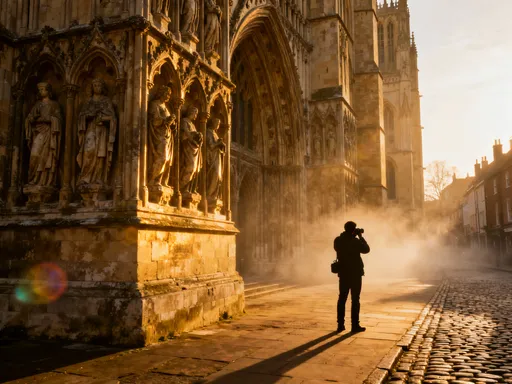
At the center of Canterbury’s visual identity stands its cathedral, a masterpiece of Gothic architecture and the spiritual heart of the Church of England. As a subject, it offers endless photographic possibilities—not merely because of its scale or fame, but because of how it changes with time, weather, and light. The west front, with its twin towers and intricate stonework, is best approached in the early morning when the sun strikes at a low angle, casting long shadows that emphasize texture and depth. Dew still clinging to the grass in the cathedral close enhances reflections, adding symmetry and serenity to compositions. Photographers who arrive before 8 a.m. often find the space nearly empty, allowing for unobstructed views and a sense of intimacy rarely possible during the day.
The cathedral’s UNESCO World Heritage status underscores its global significance, but for the lens, it’s the details that tell the deeper story. Close-up shots of carved grotesques, weathered saints, and Latin inscriptions reveal craftsmanship that has endured for over 800 years. A macro lens can isolate these elements, transforming them into standalone portraits of time. Inside, the nave’s soaring arches and ribbed vaults invite wide-angle perspectives, where leading lines draw the eye toward the altar, echoing the pilgrim’s journey. The play of light through stained glass—especially in the choir and Trinity Chapel—creates shifting patterns on the stone floor, a dynamic element that changes by the minute. Using a tripod allows for longer exposures, capturing the soft diffusion of colored light without blur, particularly effective on overcast days when the interior is evenly lit.
Weather plays a crucial role in shaping the cathedral’s mood. On clear mornings, the stone glows warm and golden, while storm-laden skies add drama, making the spire appear to cut through the clouds like a lance. Fog, though less predictable, can transform the cathedral into a ghostly silhouette, its outline softening into the mist—ideal for moody, atmospheric images. Evening visits, though restricted, can sometimes be arranged for special events or evensong services, offering rare opportunities to photograph candlelit chapels and the quiet reverence of worshippers. These moments, though delicate to capture respectfully, convey a living tradition rather than a static monument. For those seeking authenticity, the cathedral is not just a building to be framed—it is a living narrative, continuously unfolding.
Beyond the Cathedral: Hidden Architectural Gems Off the Beaten Path
While the cathedral commands attention, Canterbury’s true photographic charm often lies in its quieter corners. Just a short walk from the main thoroughfare, the St. Peter’s Village area reveals rows of Tudor half-timbered houses with jettied upper floors leaning gently over narrow lanes. These structures, dating back to the 15th and 16th centuries, are rich in texture—exposed beams darkened by time, wattle-and-daub walls patched with care, and leaded windows that glint in the sun. The irregularity of their construction adds character; no two facades are perfectly aligned, creating a rhythmic, almost musical asymmetry ideal for composition. Spring brings flowering plants in window boxes, while autumn leaves catch in the eaves, adding seasonal color to an already vivid palette.
Among these hidden treasures, St. Margaret’s Church stands as a quiet counterpoint to the grandeur of the cathedral. Nestled near the Dane John Gardens, this 12th-century Norman church features a round tower—a rare architectural form in England—and a serene churchyard where ivy climbs ancient headstones. The contrast between the solidity of the tower and the delicate foliage offers compelling juxtapositions. Early afternoon light filters gently through the surrounding trees, casting dappled patterns on the weathered stone. Because it sees fewer visitors, St. Margaret’s allows for contemplative shooting, where the photographer can focus on stillness and detail without the pressure of crowds.
Another overlooked site is the Old Weaver’s House on St. Peter’s Street, believed to have been built in the 14th century. Its steeply pitched roof and overhanging upper story create strong geometric lines, perfect for framing with a telephoto lens to compress perspective. The building’s current use as a private residence means interiors are not accessible, but the exterior alone offers rich material—especially when rain-wet cobblestones reflect its silhouette, doubling the image in puddles. To avoid foot traffic, the best times to visit are weekday mornings or late afternoons in autumn, when golden light enhances the warmth of the timber and plaster. These lesser-known sites do not demand the spotlight, but they reward the patient observer with authenticity and quiet beauty.
Golden Hour Magic: Light Play Across Medieval Streets
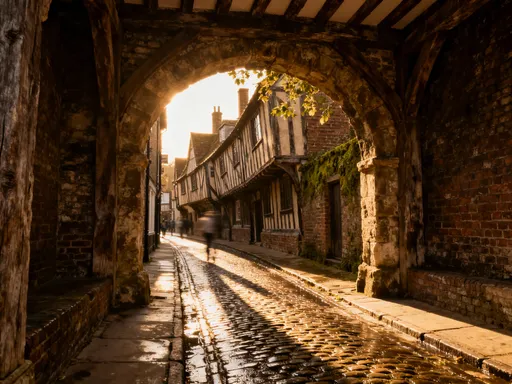
The magic of Canterbury’s medieval streets intensifies during golden hour—the fleeting period just after sunrise and before sunset when light becomes soft, warm, and directional. Palace Street, a narrow lane leading toward the Archbishop’s Palace ruins, transforms under this light into a corridor of shadow and glow. The low sun skims the surface of timber-framed buildings, highlighting the grain of ancient wood and the texture of lime-washed walls. Cobblestones, worn smooth by centuries of use, absorb and reflect light in subtle gradients, adding depth to street-level compositions. For photographers, this is the ideal time to experiment with contrast—using the interplay of bright facades against dark alleys to create visual tension.
Buttermarket, another historic lane near the city center, offers similar opportunities. Once a site for dairy trade, it now hosts small shops and cafes beneath centuries-old beams. During golden hour, the sun strikes at an angle that illuminates upper stories while leaving the lower levels in shadow, emphasizing the verticality of the buildings. A polarizing filter can help reduce glare on glass shop fronts while enhancing the saturation of painted signs and flower baskets. For those using digital cameras, shooting in RAW format preserves dynamic range, allowing for greater flexibility in post-processing when balancing highlights and shadows.
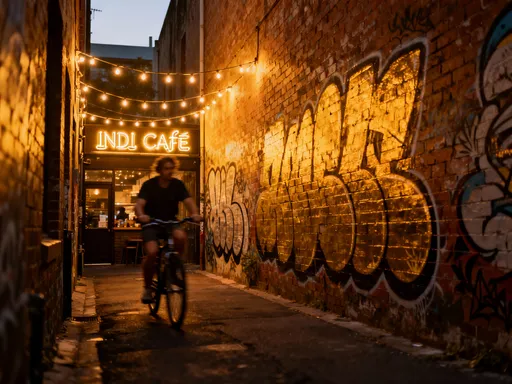
The ideal months for golden hour photography in Canterbury are September and October, when the sun sits lower in the sky and the air often carries a crisp clarity. Mornings tend to be less crowded, and the cooler temperatures help prevent lens fogging. A 35mm or 50mm prime lens is particularly effective in these narrow streets, offering a natural field of view that mimics human perception while maintaining sharpness. Tripods are often impractical due to space constraints, so increasing ISO slightly to maintain shutter speed is a reasonable trade-off. The key is patience—waiting for a passerby in traditional clothing, a cyclist silhouetted against a sunlit arch, or a shaft of light breaking through a cloud—to turn a simple street scene into a narrative moment.
Seasons in Stone: How Canterbury Changes Through the Year
Canterbury’s architectural beauty is not static; it evolves with the seasons, offering photographers a rotating canvas of color, light, and atmosphere. In spring, the city awakens with blossoms—cherry trees in the Dane John Gardens frame the Roman walls in soft pinks and whites, creating a delicate contrast against the gray stone. This season is ideal for wide-angle shots that include both flora and structure, emphasizing renewal and continuity. Early May mornings often bring mist rising from the River Stour, wrapping the lower city in a veil that gradually lifts as the sun rises—a phenomenon that can be captured in a time-lapse sequence or a single, ethereal image.
Summer brings longer days and clearer skies, but also more tourists. The challenge then becomes isolating quiet moments within the bustle. Early morning walks along the riverbank offer reflections of the cathedral and medieval buildings in still water, especially on windless days. Lush greenery in the Westgate Gardens enhances the sense of enclosure and history, while dappled sunlight through oak and chestnut trees creates natural spotlights on pathways. Overhead, the summer sun can be harsh, so seeking shaded lanes or shooting under cloud cover helps maintain even exposure.
Autumn is arguably the most photogenic season. The River Stour reflects golden and crimson leaves, and the warm tones of falling foliage complement the earthy hues of timber and stone. The cloisters of the cathedral take on a new dimension as leaves drift through the arches, landing on ancient flagstones. This is the time for detail shots—moss on a gravestone, a single leaf caught in a carved gargoyle’s mouth, or steam rising from a café grate against a cold stone wall. The lower sun angle extends golden hour, providing more opportunities for soft, directional light.
Winter, though colder and darker, offers its own stark beauty. Frost-covered cobbles, bare trees framing the cathedral spire, and fog curling around the city walls create a monochromatic elegance. Snow, though rare, transforms the city into a silent tableau, muffling sound and softening edges. For photographers, winter calls for warmer clothing and protective gear for equipment, but the rewards are images of solitude and timelessness. A seasonal itinerary might begin with spring blossoms in April, move to river reflections in July, capture autumn foliage in November, and conclude with winter moods in January—each visit revealing a different facet of Canterbury’s enduring soul.
Framing the Past: Techniques for Storytelling Through Architecture
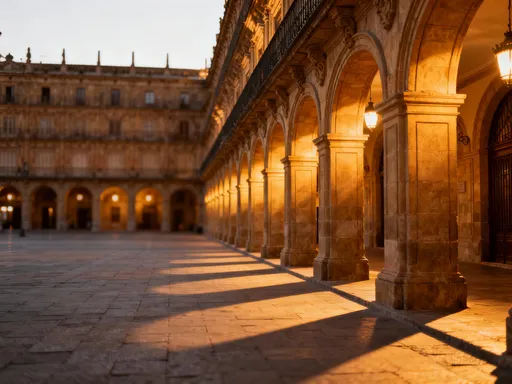
Photographing historic cities like Canterbury is not merely about capturing buildings—it’s about conveying their stories. One of the most effective techniques is the use of leading lines. The flying buttresses of the cathedral, for example, form strong diagonals that guide the viewer’s eye upward, echoing the spiritual aspiration embedded in Gothic design. Similarly, the arched walkways of the cloisters create rhythmic repetitions that suggest continuity and contemplation. By positioning the camera to emphasize these lines, photographers can turn static structures into dynamic narratives.
Symmetry is another powerful tool, especially in formal spaces like the cathedral nave or the quadrangle of King’s School. A centered composition with balanced elements on either side conveys order, stability, and reverence. However, introducing a slight asymmetry—such as a single figure walking through a cloister arch—can add human scale and movement, reminding viewers that these spaces are still in use. The contrast between the eternal and the ephemeral becomes the photograph’s emotional core.
Human presence, when included thoughtfully, deepens connection. A local shopkeeper unlocking a timber-framed storefront, a child peering through a historic gate, or a couple pausing to read a plaque—these moments anchor history in the present. The key is subtlety; the person should enhance, not dominate, the scene. A telephoto lens can isolate such moments from a distance, preserving authenticity without intrusion.
From a gear perspective, a combination of wide-angle and prime lenses offers the most flexibility. A 24mm lens captures expansive views of the cathedral and streetscapes, while a 50mm or 85mm prime excels in detail and portrait-style shots. A tripod remains invaluable for low-light conditions, especially during early morning or twilight. Most importantly, photographers should resist the urge to shoot everything at once. Slowing down, observing how light shifts over ten minutes, and returning to the same spot at different times can yield more meaningful images than a hundred hurried snaps.
Urban Layers: Where Old Meets New in Visual Harmony
Canterbury’s charm lies not in preserved isolation, but in the seamless integration of old and new. This coexistence creates rich visual layers that invite thoughtful composition. Modern storefronts with clean glass fronts sit beneath 16th-century timber beams, their signage contrasting with hand-carved lettering on adjacent plaques. Cyclists in contemporary gear glide past the ancient St. Radigund’s Gate, their motion blurring against the stillness of stone. These juxtapositions are not disruptions—they are evidence of a city that honors its past while living fully in the present.
Photographers can emphasize this harmony by framing both elements within a single shot. For instance, a wide-angle lens can capture a historic archway with a modern café table and chairs in the foreground, suggesting continuity of use. Reflections in shop windows can layer past and present—one image showing the reflection of a half-timbered house while the actual scene below displays today’s pedestrians. These double exposures within a single frame add narrative depth without digital manipulation.
The Westgate Towers, a 14th-century city gate now housing a museum, exemplifies this blend. Its battlements and portcullis remain intact, yet the interior features interactive exhibits and modern lighting. Exterior shots benefit from including visitors—especially families with children—entering through the gate, their presence reinforcing the idea of heritage as a shared, living experience. Similarly, the Buttermarket area, while historic, functions as a vibrant marketplace. Capturing a vendor arranging produce beneath a Tudor beam connects economic tradition with daily life.
Respect is essential when photographing people in these settings. A smile, a nod, or a quiet request for permission maintains trust and dignity. The goal is not to stage scenes but to observe and honor the rhythm of the city. When done well, these images do more than document—they celebrate the quiet resilience of places that evolve without erasing their roots.
The Photographer’s Journey: From Click to Connection
Photographing Canterbury is more than a technical exercise—it is an act of engagement. Each click of the shutter is a moment of attention, a decision to pause and truly see. Over time, this practice fosters a deep emotional connection to the place. The cathedral, once a distant icon, becomes a familiar presence, its changes tracked through seasons and light. The narrow streets, initially confusing, begin to reveal their patterns and secrets. A building once overlooked becomes a favorite subject, revisited at different hours, through different lenses.
This connection is not passive. It grows from the choices a photographer makes—when to wait, when to move, what to include or exclude. A well-composed image does not merely record; it interprets, remembers, and shares. It becomes a personal archive of moments that might otherwise pass unnoticed. For the viewer, such photographs can spark curiosity, nostalgia, or even the desire to visit. For the photographer, they become anchors of memory—tangible records of time spent in contemplation.
Canterbury invites return visits, not just because it is beautiful, but because it is never the same twice. The light shifts, the seasons turn, the city breathes. A photograph taken in spring fog will feel worlds apart from one captured in summer sun, even if both depict the same archway. This impermanence is part of its power. It reminds us that history is not frozen—it is lived, layered, and continually reinterpreted.
So if you carry a camera, or even if you simply see the world with a photographer’s eye, consider Canterbury not just as a destination, but as a conversation. Walk its streets with curiosity. Let the stone speak. Wait for the light. And when you press the shutter, know that you are not just taking a picture—you are joining a centuries-old story, adding your own quiet frame to its unfolding narrative. Return when the light changes. Return when the leaves fall. Return, and see it anew.