You Gotta See Mendoza’s Wild Side – This Is Next-Level Nature
When I first arrived in Mendoza, I thought it was just about wine. Boy, was I wrong. Within hours, I found myself staring at snow-capped Andes peaks, hiking through silent mountain valleys, and breathing air so clean it felt like hitting a reset button. Mendoza’s natural areas aren’t just beautiful—they’re life-changing. If you're craving wide-open spaces, powerful landscapes, and moments that feel completely unplugged, this is your sign to come. Far from the well-trodden paths of vineyard tours and wine tastings, Mendoza reveals a wilder, more elemental side—one shaped by volcanic forces, glacial rivers, and millennia of geological drama. This is a region where desert meets alpine grandeur, where thermal springs bubble from the earth, and where the horizon is defined not by city lights but by jagged mountain ridges. For travelers seeking authenticity, tranquility, and awe, Mendoza’s untouched wilderness offers an experience that lingers long after the journey ends.
First Impressions: Beyond the Vineyards
Mendoza is often celebrated as Argentina’s wine capital, and rightly so. Its sun-drenched vineyards produce some of the world’s finest Malbecs, drawing oenophiles from across the globe. Yet, to define Mendoza solely by its viticulture is to miss half the story. The city sits at the edge of the Andes, cradled by high-altitude plains and flanked by towering peaks that rise like sentinels over the valley. From the moment you step off the plane or arrive by road, the landscape commands attention. The air is crisp, the sky impossibly blue, and the silence between gusts of wind feels sacred. It’s not uncommon for visitors to pause mid-conversation, distracted by the sheer scale of the mountains just beyond the urban perimeter.
What surprises most is how quickly civilization gives way to wilderness. Just a short drive from downtown Mendoza, the vineyards thin out, replaced by scrubland, rocky outcrops, and distant glacial caps. This transition isn’t gradual—it’s dramatic. One minute you’re sipping wine under a pergola, the next you’re standing at the base of a canyon, listening to the wind whistle through sandstone formations. The juxtaposition is striking: a cultivated paradise nestled against raw, untamed nature. This duality defines Mendoza’s identity. It’s a place where relaxation and adventure coexist, where a morning of wine tasting can seamlessly give way to an afternoon of mountain trekking.
For many, this revelation reshapes their entire travel experience. Instead of viewing Mendoza as a weekend getaway centered on gastronomy, they begin to see it as a destination for immersion—into nature, into stillness, into a slower, more intentional rhythm of life. The city itself serves as a gateway, a well-equipped launchpad for those eager to explore the wilder edges of western Argentina. Whether you're an avid hiker, a nature photographer, or simply someone in need of a digital detox, Mendoza’s natural offerings provide a powerful antidote to the noise of modern life.
Arenal de la Zonda: Desert Meets Mountain Drama
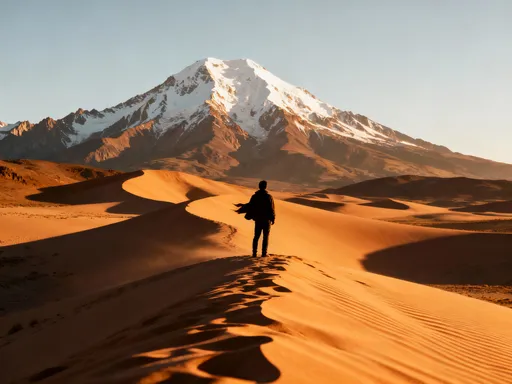
Just 30 minutes west of Mendoza city lies one of its most surreal landscapes—Arenal de la Zonda. This natural reserve is a study in contrasts: golden dunes stretch toward the horizon, while the snow-capped Andes loom in the distance, their peaks glistening under the high-altitude sun. The effect is almost cinematic—a desert scene straight out of a western film, yet framed by alpine grandeur. The dunes themselves are shaped by strong westerly winds, sculpting the sand into rippling waves that shift subtly with each passing season. Walking across them feels like stepping onto another planet, where the ground crunches underfoot and the silence is so complete it becomes a presence.
Despite its remote appearance, Arenal de la Zonda is remarkably accessible. Visitors can reach it by car, and several local tour operators offer guided excursions that include off-road driving across the dunes. These 4x4 adventures are ideal for families and first-time travelers, offering an adrenaline boost without requiring technical skill. The vehicles bounce and tilt as they climb the sandy slopes, providing panoramic views at every turn. For those preferring a quieter experience, short hiking trails wind through the reserve, allowing for closer observation of native flora and fauna. Hardy shrubs cling to the sandy soil, while lizards dart between rocks and birds of prey circle overhead, scanning the terrain below.
What makes Arenal de la Zonda truly special is its ability to deliver a sense of isolation without demanding extreme effort. Unlike high-altitude treks that require acclimatization and physical endurance, this destination is welcoming to travelers of all ages and fitness levels. It’s also an ideal spot for photography, especially at sunrise or sunset when the light transforms the dunes into a canvas of warm golds and deep shadows. The Andes, backlit by the fading sun, appear almost ethereal, their snowfields glowing pink and violet. Whether you’re driving, walking, or simply sitting in quiet contemplation, Arenal de la Zonda offers a powerful reminder of nature’s ability to inspire awe with minimal intervention.
Los Reyunos Dam & the Uco Valley Escape
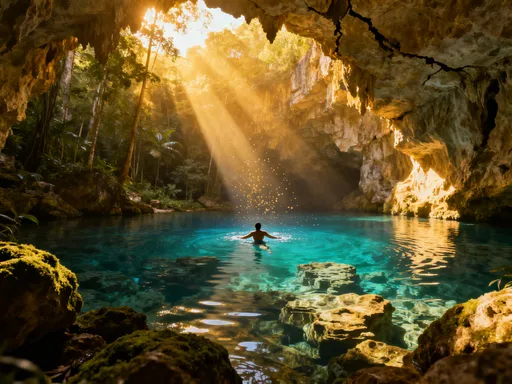
Traveling south into the Uco Valley, the landscape evolves once again. Vineyards line the roadsides, their orderly rows climbing gentle slopes beneath the watchful gaze of the Andes. This region is renowned for its premium wine production, but it’s also home to one of Mendoza’s most scenic reservoirs—Los Reyunos Dam. Nestled in a narrow canyon, the dam holds back a body of water so strikingly turquoise it seems unreal. Fed by glacial melt from the high peaks, the water carries fine mineral sediments that refract sunlight in mesmerizing ways, creating hues that shift from emerald to sapphire depending on the time of day.
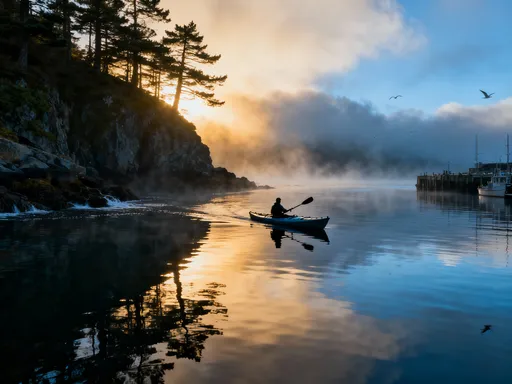
The journey to Los Reyunos is part of the experience. The road winds through quiet countryside, passing small farms, rustic wineries, and occasional roadside stands selling local honey and dried fruits. As the valley narrows, the mountains close in, their rocky faces streaked with layers of ancient sediment. The dam itself is surrounded by protected land, ensuring minimal development and preserving the area’s natural beauty. Visitors can kayak or paddleboard across the calm waters, gliding silently past rocky inlets and listening to the distant echo of waterfalls. For those who prefer to stay on land, well-maintained trails offer vantage points for panoramic photos and peaceful picnics.
To avoid crowds, it’s best to visit early in the morning or later in the afternoon. Midday brings tour groups and weekend visitors, especially during the Southern Hemisphere’s summer months. Arriving at golden hour, however, means having the place nearly to yourself, with the sun casting long shadows across the water and the cliffs glowing in warm tones. The temperature cools quickly as evening approaches, making a light jacket essential. Many travelers combine a visit to Los Reyunos with a stop at a nearby vineyard, creating a perfect balance of adventure and indulgence. It’s not uncommon to spend the morning paddling across glacial waters and the afternoon sipping crisp Chardonnay on a shaded terrace, the mountains always present in the background.
Cacheuta Thermal Baths: Nature’s Own Spa
Deep in a narrow canyon along the Mendoza River lies a natural sanctuary known for its healing waters—Cacheuta Thermal Baths. For centuries, indigenous communities and later settlers have valued these mineral-rich hot springs for their restorative properties. The water, heated naturally by geothermal activity beneath the Andes, emerges at temperatures averaging between 30°C and 38°C (86°F to 100°F), making it ideal for relaxation without being uncomfortably hot. Today, the site is managed as a public spa resort, with a series of pools built into the rocky terrain, each offering different temperatures and views.
The setting is nothing short of dramatic. Steam rises from the pools, curling into the cool mountain air, while sheer cliffs tower overhead, streaked with mineral deposits and tufts of hardy vegetation. The sound of the river rushing nearby adds to the sensory experience, creating a symphony of water, wind, and silence. Visitors often describe the sensation as meditative—a rare moment of complete disconnection from daily stress. The mineral composition of the water, rich in sulfur, calcium, and magnesium, is believed to support muscle recovery, improve circulation, and soothe joint pain, making it especially popular among hikers and outdoor enthusiasts.
Access to Cacheuta is straightforward, with regular shuttles and private transfers available from Mendoza city. The best times to visit are spring (September to November) and fall (March to May), when the weather is mild and the crowds are smaller. Summer can be busy, and winter, while quiet, may bring road closures due to snow at higher elevations. It’s recommended to bring a swimsuit, towel, water, and a change of clothes, as facilities are functional but not luxurious. What Cacheuta lacks in opulence, it more than makes up for in authenticity. This is nature’s own spa—one carved by time, heat, and water, offering a deeply grounding experience for body and mind.
Aconcagua Provincial Park: Conquer the Giant
No discussion of Mendoza’s wilderness is complete without mentioning Aconcagua. Standing at 6,961 meters (22,838 feet), it is the highest peak in both the Western and Southern Hemispheres, a towering giant that dominates the skyline and draws climbers from around the world. Located within Aconcagua Provincial Park, the mountain is more than a physical challenge—it’s a symbol of endurance, ambition, and the raw power of nature. While summiting Aconcagua requires months of preparation, specialized gear, and a permit system managed by park authorities, the mountain’s grandeur is accessible to all.
For non-climbers, the park offers base treks that provide breathtaking views without the extreme altitude risks. The most popular route is the Vacas Valley Trail, a multi-day hike that follows a glacial river through high-altitude meadows and rocky passes. Along the way, hikers encounter remnants of Incan trails, weathered wooden markers, and occasional sightings of Andean foxes and condors. The air grows thinner with elevation, so proper acclimatization is essential. Most guided tours include rest days in Puente del Inca or Horcones, allowing visitors to adjust gradually while still experiencing the mountain’s majesty.
Even a day visit to the park’s entrance offers a profound sense of scale. The main viewpoint at Puente del Inca—a natural stone bridge formed by mineral deposits—provides a direct line of sight to Aconcagua’s southern face. On clear days, the peak seems close enough to touch, its glaciers catching the sunlight like shards of glass. Park rangers offer educational talks on geology, climate, and conservation efforts, emphasizing the importance of protecting this fragile ecosystem. Whether you’re standing at the base or watching from afar, Aconcagua inspires a deep respect for the forces that shape our planet. It’s not just a mountain—it’s a monument to nature’s permanence in an ever-changing world.
Laguna de Diamante & Volcán Tupungato: High-Altitude Majesty
For those willing to venture deeper into Mendoza’s backcountry, few destinations rival the beauty of Laguna de Diamante. Nestled at over 2,800 meters (9,186 feet) in the Andes, this glacial lake lies in the shadow of Volcán Tupungato, a massive stratovolcano that straddles the Chile-Argentina border. The journey to the lake is an adventure in itself, requiring a 4x4 vehicle and an experienced guide due to rough terrain and unpredictable weather. The road climbs steadily, winding through barren high-altitude plains where the only signs of life are hardy grasses and the occasional vicuña grazing in the distance.
When the lake finally comes into view, it takes your breath away—both literally, due to the altitude, and figuratively, due to its beauty. The water is a vivid turquoise, fed by melting glaciers and surrounded by volcanic rock formations stained red and orange by mineral oxidation. The contrast between the cool blue of the lake and the warm tones of the earth creates a surreal, almost alien landscape. On calm days, the surface acts like a mirror, reflecting the snow-covered peak of Tupungato with such clarity it’s hard to tell where the mountain ends and its reflection begins.
Because of its remoteness, Laguna de Diamante sees relatively few visitors, preserving its sense of solitude and untouched beauty. There are no facilities, no marked trails, and no crowds—just nature in its purest form. Visitors are advised to pack all supplies, including food, water, and warm clothing, as conditions can change rapidly. Strong winds, sudden fog, and temperature drops are common, even in summer. Yet, for those prepared, the rewards are unmatched. Sitting by the lake, listening to the wind and the occasional crack of distant ice, offers a rare kind of peace—one that comes from being truly far from the world’s noise. It’s a place to reflect, to reset, and to remember how small we are in the face of nature’s grandeur.
Why Mendoza’s Wilderness Matters – And How to Respect It
Mendoza’s natural wonders are not just scenic backdrops—they are fragile ecosystems that require care and stewardship. From the high-altitude wetlands around Laguna de Diamante to the desert flora of Arenal de la Zonda, each environment supports unique species adapted to extreme conditions. These areas are vulnerable to pollution, erosion, and the impacts of unregulated tourism. Litter, off-trail hiking, and careless use of fire can cause long-term damage, disrupting habitats and altering natural processes that have existed for millennia.
Responsible tourism is not optional—it’s essential. Travelers can protect these landscapes by following the Leave No Trace principles: packing out all trash, staying on marked trails, avoiding loud noises, and refraining from feeding or approaching wildlife. It’s also important to support local guides and eco-conscious tour operators who prioritize sustainability and community well-being. Many of these professionals are trained in environmental education and can enhance the experience by sharing knowledge about geology, indigenous history, and conservation efforts.
Equally important is the mindset with which we approach these spaces. Rather than seeing nature as a commodity to be consumed or conquered, we can learn to view it as a partner in our journey—a source of healing, perspective, and connection. When we walk quietly through a mountain valley or sit in silence by a glacial lake, we participate in something greater than ourselves. We become witnesses to beauty that exists independently of human approval, enduring long before us and likely long after.
Mendoza’s wilderness invites us to slow down, to breathe deeply, and to remember what it means to be present. It challenges us to leave behind distractions and embrace simplicity. And in return, it offers moments of clarity, wonder, and renewal. So yes—go see Mendoza’s wild side. Hike its trails, soak in its springs, gaze upon its peaks. But do so with respect, with gratitude, and with the understanding that the greatest souvenirs we can take home are not photographs or stories, but a renewed sense of responsibility toward the natural world.