You Won’t Believe What I Found in Sintra’s Hidden Market
Wandering through Sintra, Portugal, I stumbled upon something magical—not just castles and fog-kissed hills, but a vibrant culture woven into its shopping spots. Forget generic souvenir stalls; here, every boutique, market, and artisan corner tells a story. From hand-painted azulejos to family-run perfumeries, Sintra’s shopping scene is a cultural adventure. If you think shopping is just retail, think again—this town turns every purchase into a piece of living heritage.
The Heartbeat of Sintra: Where Culture Meets Commerce
Sintra’s identity as a UNESCO World Heritage site is not defined solely by its misty mountaintops or fairytale palaces. It also lives in the rhythm of daily life—visible in the way commerce intertwines with tradition. Unlike many tourist destinations where shopping becomes a transaction stripped of meaning, Sintra ensures that every purchase carries cultural weight. The town’s historic architecture, shaped by Romanticism and Moorish influences, sets the stage for a retail experience that feels more like a curated cultural journey than a commercial exchange.
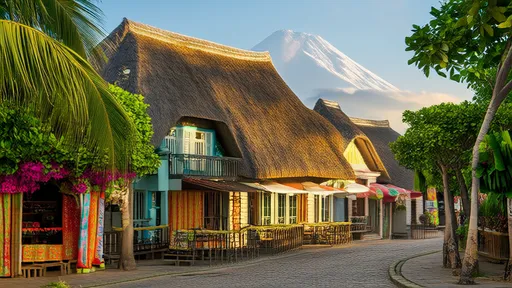
Stores here are often housed in centuries-old buildings, their facades adorned with colorful tiles and wrought-iron balconies. These are not replicas built for aesthetics—they are living spaces where generations of families have lived, worked, and passed down their crafts. This continuity gives Sintra’s shopping landscape a depth rarely found elsewhere. When visitors buy a bottle of locally made honey or a hand-stitched tablecloth, they are not merely acquiring an object; they are participating in a tradition that has evolved over hundreds of years.
The town’s designation as a World Heritage site since 1995 has played a crucial role in preserving this authenticity. Strict urban planning regulations prevent the construction of modern retail chains or large-scale commercial developments. As a result, the town center remains free of global franchises, allowing local artisans and small business owners to thrive. This protection ensures that shopping in Sintra remains a reflection of Portuguese identity rather than a diluted version shaped by mass tourism.
Moreover, the seasonal ebb and flow of visitors allows residents to maintain control over their economic ecosystem. While summer brings an influx of international travelers, the winter months see Sintra return to its quieter, more intimate rhythm. During this time, markets are frequented by locals, and the true character of the community emerges. It is in these quieter moments that the heartbeat of Sintra—its blend of culture and commerce—can be felt most clearly.
Largo da Pirâmide: The Town’s Cultural Marketplace
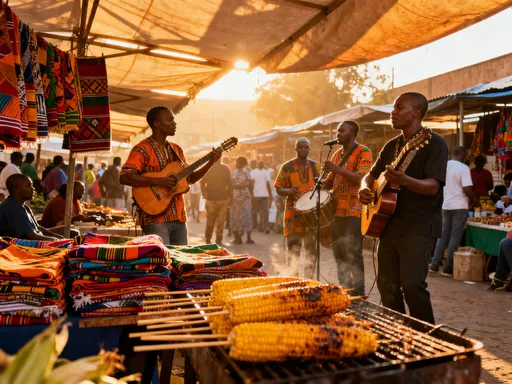
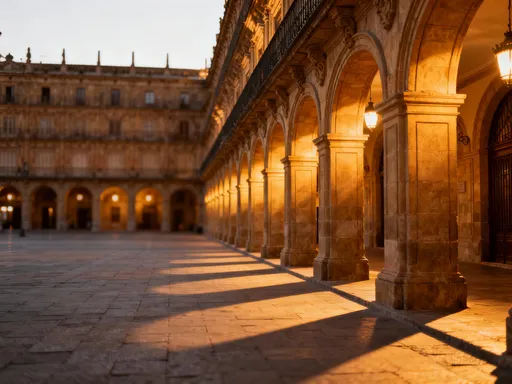
At the center of Sintra’s commercial and social life lies Largo da Pirâmide, a lively square that functions as both a gathering place and an open-air marketplace. Named after the pyramid-shaped fountain at its center, this space pulses with energy from morning until dusk. Unlike sterile shopping centers, Largo da Pirâmide offers a sensory-rich experience where sight, sound, and scent converge to create lasting memories.
The market stalls are managed by local vendors who sell goods rooted in regional tradition. Among the most popular items are handmade soaps infused with lavender, rosemary, and orange blossom—ingredients grown in nearby hills. These soaps are often wrapped in recycled paper and stamped with the artisan’s mark, making them both eco-friendly and deeply personal. Equally sought after are cork products, from wallets to coasters, showcasing Portugal’s leadership in sustainable materials. Cork harvesting is a centuries-old practice in the region, and purchasing these items supports both environmental stewardship and rural economies.
Sweet treats also take center stage. The famous travesseiro—a flaky, pillow-shaped pastry filled with almond cream—is a specialty of Sintra and can be found at several stalls around the square. Baked fresh each morning in wood-fired ovens, these pastries are best enjoyed warm, accompanied by a small cup of strong Portuguese coffee. Nearby, vendors offer queijadas, another local favorite: soft, tangy custard tarts made with fresh cheese, eggs, and cinnamon.
What makes Largo da Pirâmide more than just a place to shop is its role as a social hub. Locals stop by to chat with vendors they’ve known for years, exchanging news and laughter. Tourists are welcomed not as customers to be rushed, but as guests to be included. Though bartering is uncommon, conversation flows freely. A simple question about ingredients or preparation often leads to a longer discussion about family recipes or childhood memories. In this way, the marketplace becomes a bridge between cultures, where connection is the true currency.
Artisan Workshops Behind the Fairy-Tale Facades
Beyond the main squares and tourist paths, Sintra reveals its quietest treasures: the artisan workshops hidden in narrow cobblestone alleys. These ateliers are not designed for mass appeal. There are no flashy signs or digital payment terminals—just the sound of brushes on ceramic, the scent of drying paint, and the focused gaze of craftspeople dedicated to preserving their heritage.
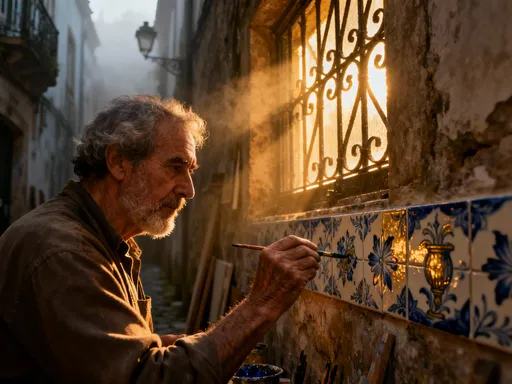
One such workshop belongs to a third-generation tile painter who continues the tradition of azulejo-making. Azulejos—glazed ceramic tiles painted with intricate patterns—are a hallmark of Portuguese design. In Sintra, they adorn churches, train stations, and private homes, each telling a story through color and geometry. The artist spends weeks on a single panel, sketching the design by hand before applying layers of paint and glaze. Visitors are often invited to observe the process, and some workshops offer short introductory sessions where guests can try painting their own tile under guidance.
Another hidden gem is a ceramic studio tucked behind a ivy-covered wall near the old town gate. Here, a ceramicist shapes clay into vases, bowls, and decorative plates using techniques passed down from her grandmother. The firing process relies on traditional wood-burning kilns, which impart a unique texture and warmth to each piece. What sets these ceramics apart is not perfection, but character—the slight irregularities that speak of human hands at work.
Bookbinding is another craft kept alive in Sintra’s quiet corners. A small atelier near the library specializes in restoring antique books and creating custom journals using handmade paper and leather sourced from ethical suppliers. The binder explains that each stitch and fold follows centuries-old methods, ensuring durability and beauty. For visitors interested in literature or journaling, purchasing a handbound notebook becomes more than a souvenir—it becomes a functional heirloom.
These workshops operate on a principle of authenticity over profit. Most do not advertise online, relying instead on word-of-mouth and chance discovery. They welcome visitors who show genuine interest, offering insights into the time, patience, and pride required to sustain such crafts. By choosing to support these artisans, travelers contribute directly to the survival of traditions that might otherwise fade in an age of mass production.
From Pena Palace Souvenirs to Meaningful Keepsakes
As one approaches the entrance to Pena Palace, the landscape of shopping changes. Stalls multiply, and the merchandise shifts from handmade to imported—plastic keychains, mass-produced postcards, and generic T-shirts printed with faded images of the castle. While these items cater to the convenience-driven tourist, they offer little connection to Sintra’s true cultural fabric.
This contrast highlights an important distinction: not all souvenirs are created equal. The challenge for thoughtful travelers is learning how to identify authentic, locally made goods amidst the sea of commercialized trinkets. One reliable indicator is the presence of the artisan. If the person selling the item is also the one who made it—or can speak knowledgeably about its origins—it is likely genuine. Another clue is packaging: handmade goods are often wrapped simply, with care, using recycled or natural materials.
Among the most meaningful keepsakes are hand-embroidered linens, often stitched with floral or geometric patterns inspired by Moorish design. These table runners, napkins, and handkerchiefs are typically sold by older women who have spent decades perfecting their needlework. Each piece may take weeks to complete, and the price reflects the labor involved. While more expensive than machine-made alternatives, they carry a legacy that transcends decoration.
Another authentic product is ginjinha, a traditional Portuguese cherry liqueur. In Sintra, several small producers distill their own version using locally grown ginja berries, sugar, and sometimes a hint of cinnamon or cloves. The best places to buy it are family-run shops where the owner offers a small sample before purchase. Some even sell it in reusable glass bottles sealed with wax, encouraging sustainable consumption. Carrying a bottle home is not just about taste—it’s about sharing a piece of Portuguese tradition with loved ones.
Travelers are encouraged to ask questions: Where was this made? Who made it? How long did it take? These simple inquiries not only deepen understanding but also signal respect for the craft. When vendors see interest in the story behind the object, it reinforces the value of their work and strengthens the cultural exchange at the heart of meaningful travel.
Mercado de Sintra: A Sensory Dive into Local Life
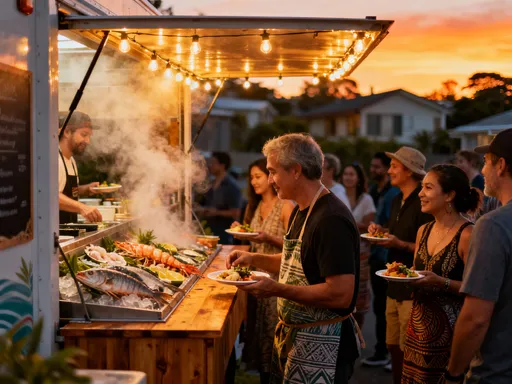
To truly understand a place, one must visit its food market—and in Sintra, that place is Mercado de Sintra. Housed in a modest stone building near the train station, this bustling indoor market offers a vivid portrait of Portuguese daily life. Open every morning except Mondays, it draws fishermen, farmers, and homemakers who come to buy the freshest ingredients available.
The market is organized into sections: produce, seafood, meat, dairy, and dry goods. The produce stalls are a riot of color—pyramids of blood oranges, baskets of golden figs, and crates of deep-purple plums. Seasonal fruits like medlars and quinces appear in autumn, while spring brings artichokes and wild asparagus. Vendors proudly display signs indicating the origin of their goods: “From Alentejo,” “Grown in Colares,” “Harvested Yesterday.” This transparency builds trust and supports local agriculture.
The seafood counter is equally impressive. Fresh sardines, octopus, and sea bass are laid out on beds of ice, their eyes still bright. Fishmongers clean and fillet orders on the spot, wrapping them in paper printed with the shop’s name. The scent of salt and brine mingles with the earthy aroma of mushrooms from the forested hills above town. For visitors, sampling grilled sardines at a small counter inside the market is a must—a simple meal that captures the essence of coastal Portuguese cuisine.
Dairy lovers will find an array of regional cheeses, from soft, creamy queijo fresco to aged sheep’s milk varieties with a sharp, nutty flavor. Many are produced on small farms in the surrounding countryside. Nearby, spice vendors sell saffron, paprika, and bay leaves in paper cones, while honey stands offer varieties flavored by eucalyptus, rosemary, or orange blossom—each reflecting the flora of a specific region.
Mercado de Sintra is not designed for tourists, yet it warmly welcomes them. Shoppers may not speak English, but a smile and a polite “Bom dia” go a long way. The experience is immersive: the clatter of scales, the hum of conversation, the occasional burst of laughter. To walk through this market is to witness the rhythm of Portuguese life—a life centered on quality, seasonality, and community. For travelers, purchasing a jar of honey or a wedge of cheese is not just a culinary choice, but an act of cultural participation.
Boutique Culture: Small Shops with Big Stories
Scattered throughout Sintra’s historic center are independent boutiques that elevate shopping into an experience of discovery. These are not generic gift shops, but curated spaces rooted in the town’s artistic legacy. Each store has a narrative, often tied to its owner, its location, or the craft it represents.
One notable example is a perfumery located in a 19th-century villa once owned by a Romantic poet. The current owner, a trained perfumer, creates scents inspired by Sintra’s natural landscape—damp moss, blooming jasmine, and pine resin. The bottles are hand-labeled, and each purchase comes with a small card describing the inspiration behind the fragrance. Customers are invited to sit in the garden and sample different blends, turning a simple transaction into a sensory journey.
Another beloved shop is a bookbindery and bookstore housed in a former schoolhouse. Its shelves are filled with Portuguese literature, poetry, and illustrated editions of local folklore. The owner hosts monthly readings and writing workshops, fostering a community of readers and writers. For visitors, buying a book here means supporting literary culture while carrying home a piece of Sintra’s intellectual spirit.
Design-focused boutiques also thrive, offering homewares created by local artists. One shop specializes in ceramic lamps made from repurposed azulejos, combining historical aesthetics with modern functionality. Another sells linen clothing dyed with natural pigments from local plants, emphasizing sustainability and timeless style. These stores prove that fashion and home decor can be both beautiful and meaningful when rooted in place and practice.
What unites these boutiques is their commitment to storytelling. They do not merely sell products—they invite customers into a world of inspiration, memory, and craftsmanship. For the discerning traveler, especially women between 30 and 55 who value quality, authenticity, and emotional resonance, these shops offer a deeply satisfying alternative to impersonal retail.
Shopping with Purpose: Supporting Local Heritage
In an era of fast fashion and disposable souvenirs, shopping in Sintra offers a powerful alternative: the chance to support living heritage. Every purchase made from a local artisan, family-run shop, or farmer contributes to the preservation of traditions that define Portuguese culture. These small acts of mindful consumerism have ripple effects—sustaining livelihoods, protecting endangered crafts, and reinforcing community pride.
When a traveler buys a hand-painted tile, they are not just acquiring decor—they are helping keep an ancient art form alive. When they choose a bottle of small-batch ginjinha over a mass-produced liquor, they support a family business that may have operated for generations. When they purchase cheese from the market, they contribute to the survival of small-scale dairy farming in a world increasingly dominated by industrial agriculture.
This form of tourism—intentional, respectful, and rooted in connection—aligns with the values of many modern travelers, particularly women who manage household budgets and make thoughtful decisions about where and how to spend. They understand that money is a vote: it signals what kind of world they want to support. By choosing authenticity over convenience, they become allies in cultural preservation.
Local communities notice this support. Artisans report that interest from conscientious travelers gives them hope that their crafts will not disappear. Market vendors appreciate customers who take time to learn about ingredients or ask about preparation methods. These interactions affirm the value of their work and strengthen the social fabric of the town.
Travelers, in turn, leave with more than souvenirs. They carry stories—of the tile painter who showed them how to mix glaze, the cheesemaker who explained the aging process, the perfumer who described the scent of a foggy morning in the forest. These memories become part of their own narrative, enriching their lives long after the journey ends.
Final Thoughts
In Sintra, every purchase holds a story, every vendor a guardian of heritage. Shopping here isn’t about taking things home—it’s about carrying forward a legacy. The town invites visitors not to consume, but to connect: to the land, to the people, to the centuries of creativity that shape its identity. Whether wandering through the bustling Mercado de Sintra, discovering a hidden atelier, or sipping ginjinha in a family-run shop, travelers find that the most valuable souvenirs are not the ones wrapped in paper, but the ones etched in memory. In choosing to shop with care, we honor not just the past, but the living culture that continues to thrive—one thoughtful purchase at a time.