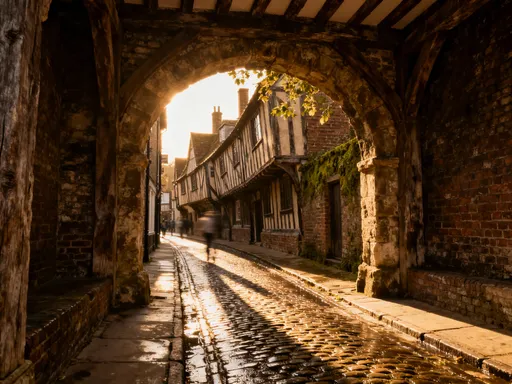
You Won’t Believe These Hidden Corners of Adelaide’s City Districts
Adelaide isn’t just sandstone buildings and wide boulevards — there’s a whole other side hiding in plain sight. I’m talking about the quiet laneways, local-only hangouts, and unexpected pockets of culture tucked between the main streets. Most tourists stick to the highlights, but if you dig a little deeper, you’ll find something more authentic. These hidden city districts offer a completely different vibe — intimate, creative, and full of soul. Let me take you where the real locals go.
Uncovering Adelaide’s Hidden Heart
When most travelers think of Adelaide, they picture the grandeur of North Terrace, the buzz of Rundle Mall, or the wine trails of the nearby hills. Yet beneath this polished surface lies a network of neighborhoods that rarely make it onto tourist maps but pulse with genuine life and character. These are not just isolated hidden gems, but entire districts where daily rhythms unfold away from the spotlight — places like Thebarton, Bowden, and Payneham. They represent a quieter, more textured version of the city, one shaped by generations of families, waves of migration, and recent urban transformation.
What sets these areas apart is their authenticity. Unlike curated tourist zones designed for convenience and aesthetics, these districts evolved organically. Their streets reflect real life — children walking to school, neighbors chatting over fences, and shop owners who remember your name. In recent years, many have undergone revitalization, blending heritage preservation with modern living. Old industrial sites have been reimagined, and community initiatives have breathed new energy into neglected corners. This evolution hasn’t erased local identity; instead, it has amplified it, creating spaces where history and innovation coexist.
Exploring these overlooked neighborhoods offers a richer understanding of Adelaide. It shifts the travel experience from passive observation to active engagement. You’re no longer just visiting — you’re witnessing the city as it truly lives and breathes. Whether it’s stumbling upon a mural in an alleyway or discovering a bakery that’s been family-run for decades, these moments add depth and meaning to any journey. For the curious traveler, these districts aren’t just alternatives — they’re essential.
West End: Where Creativity Meets Grit
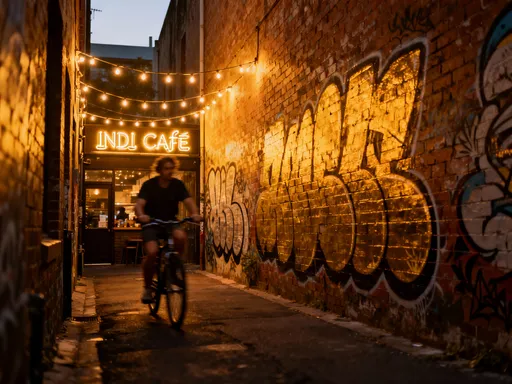
The West End of Adelaide is a living canvas of urban expression. Just a short walk from the central business district, this area pulses with creative energy, where graffiti-covered walls tell stories, indie cafés serve slow-brewed coffee, and underground music venues hum with nightly performances. Once dominated by factories and warehouses, the West End has transformed into one of the city’s most dynamic cultural zones — a place where art, music, and community intersect in unexpected ways.
One of the most striking features of the West End is its street art. Guided art trails, including those connected to the South Australian School of Art at TAFE, showcase works by both emerging and established artists. These murals aren’t just decorative; they reflect social themes, local history, and the spirit of experimentation. Walking through streets like Leigh Street and Hindley Street, you’ll find entire buildings transformed into vibrant installations. The blend of color, texture, and message invites closer inspection, turning a simple stroll into an immersive gallery experience.
Beyond the visuals, the West End thrives on its independent venues. Small bars like Clever Little Tailor offer expertly crafted cocktails in intimate, design-forward spaces. Live music spots host everything from jazz trios to post-punk bands, often drawing crowds that value authenticity over fame. Even the cafés here carry a distinct personality — many are tucked into repurposed warehouses, with exposed brick walls and vintage furniture creating a cozy, unpretentious vibe. These spaces aren’t trying to impress; they’re built for connection.
For visitors, the best way to experience the West End is on foot, ideally in the late afternoon or early evening. This is when the neighborhood comes alive — artists finish their shifts, students head out for coffee, and musicians set up for gigs. While it’s easy to explore independently, joining a local walking tour can provide deeper insight into the area’s history and creative movements. Above all, respectful engagement matters. These are working studios, homes, and small businesses — not tourist attractions. A friendly smile, quiet curiosity, and support for local vendors go a long way in building meaningful connections.
Thebarton & Hindmarsh: Local Life Beyond the Festival Hub
Thebarton and Hindmarsh are often reduced to a single landmark — the legendary Thebarton Theatre, a cornerstone of Adelaide’s live music scene. While the venue draws thousands each year, the surrounding neighborhoods offer a far broader and more intimate portrait of city life. These districts are home to multicultural communities, family-run businesses, and grassroots initiatives that reflect the everyday fabric of Adelaide.
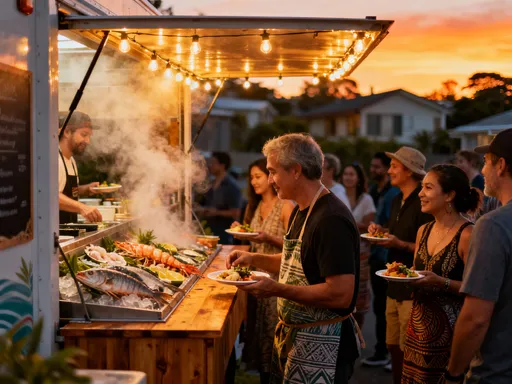
Start your morning with a visit to a corner bakery, where the scent of fresh bread mingles with the chatter of regulars. Many of these shops have been operating for decades, passed down through generations. Nearby, multicultural markets bring together flavors from across the globe. You’ll find Middle Eastern spice stalls stacked with turmeric and sumac, Vietnamese grocers offering fresh herbs, and Greek delis filled with olives and cured meats. These markets aren’t staged for tourists — they’re vital resources for local families, and shopping here supports small-scale producers and immigrant entrepreneurs.
Another highlight is the presence of community gardens and urban farms. In pockets of green between homes and streets, residents grow vegetables, herbs, and flowers, fostering sustainability and neighborhood bonds. Some gardens host workshops on composting, beekeeping, or native planting, offering visitors a chance to learn while contributing to local efforts. These spaces exemplify how urban living can be both green and communal.
Accessibility is a strength of Thebarton and Hindmarsh. Both districts are well-served by Adelaide’s tram network, making them easy to reach without a car. While the main entertainment strip draws crowds, stepping just one block away reveals a calmer, more residential rhythm. Here, you’ll see kids riding bikes, neighbors sharing meals on front porches, and local artists displaying work in shop windows. It’s a reminder that vibrant city life isn’t confined to stages and festivals — it’s also found in the quiet moments between them.
Bowden: Sustainability in the Urban Fabric
Bowden stands as a model of sustainable urban renewal. Once an industrial zone filled with factories and rail yards, it has been reimagined as a forward-thinking residential and creative precinct. Developed with eco-conscious principles at its core, Bowden showcases how cities can grow without sacrificing environmental responsibility. Its design prioritizes walkability, energy efficiency, and community well-being — qualities that resonate with travelers interested in the future of urban living.
The neighborhood’s architecture tells a story of transformation. Original brick warehouses have been preserved and repurposed into apartments, studios, and co-working spaces, their historic facades blending seamlessly with modern additions. Solar panels are standard on rooftops, rainwater harvesting systems reduce water waste, and shared green spaces encourage outdoor interaction. Pedestrian-first planning means wide footpaths, bike lanes, and limited vehicle access — creating a safe, quiet environment ideal for families and professionals alike.
What makes Bowden particularly appealing is its balance of innovation and livability. It’s not a sterile, futuristic experiment — it’s a real neighborhood where people live, work, and socialize. Independent cafés, pop-up markets, and art studios have found homes here, adding cultural texture to the sustainable framework. The area also benefits from excellent public transport links, including proximity to the Adelaide Park Lands and direct access to the city center via tram and bus routes.
For visitors, Bowden offers a chance to witness urban sustainability in action. Guided walking tours often highlight its green features, from solar microgrids to native landscaping. Even a self-guided stroll reveals thoughtful details — recycling stations, electric vehicle charging points, and communal gardens. Real estate trends reflect growing interest in eco-living, with demand rising for energy-efficient homes and shared amenities. But beyond property values, Bowden represents a philosophy: that cities can be both progressive and human-centered.
East End’s Quiet Backstreets: More Than Just Rundle Road
The East End of Adelaide is widely known for Rundle Road and Rundle Street — bustling corridors lined with boutiques, restaurants, and weekend markets. Yet just steps away, a quieter, more contemplative side of the neighborhood awaits. Narrow lanes like Gilbert Place, Leigh Street, and East Terrace host a different kind of energy — one defined by craftsmanship, intimacy, and understated charm.
These backstreets are home to boutique design studios, where local artisans create handmade jewelry, ceramics, and textiles. Unlike mass-produced souvenirs, these items carry the mark of individual skill and creativity. Many studios welcome visitors by appointment or during open-house events, offering a rare opportunity to meet the makers and understand their process. Similarly, small-batch brewers and specialty roasters have set up in converted garages and ground-floor units, serving meticulously crafted drinks in minimalist, welcoming spaces.
The contrast between Rundle Street and its quieter neighbors is striking. While the main drag buzzes with activity, the side lanes offer moments of calm. You can enjoy a slow coffee without jostling for a seat, browse a gallery without background noise, or simply pause to admire the interplay of light and shadow on old brick walls. The best time to explore is on a weekday morning, when foot traffic is light and the atmosphere feels almost private.
These spaces thrive on intentionality. They aren’t designed for high volume or rapid turnover — they’re built for connection and quality. For travelers, this means a chance to slow down and engage more deeply. A conversation with a barista might lead to a recommendation for a hidden bookstore. A glance into a studio window could spark a new appreciation for local design. In these quiet corners, Adelaide reveals its thoughtful, creative soul — not through spectacle, but through detail.
Practical Tips for Exploring Adelaide’s Hidden Districts
Discovering Adelaide’s lesser-known neighborhoods is rewarding, but doing so thoughtfully ensures a positive experience for both visitors and residents. The city’s compact size and efficient public transport make exploration accessible, but a few practical considerations can enhance your journey.
First, consider your mode of transportation. Adelaide’s tram network extends to key areas like Hindmarsh, Thebarton, and the East End, offering a convenient and eco-friendly way to travel. Biking is another excellent option — dedicated lanes and flat terrain make cycling safe and enjoyable. For those who prefer walking, many districts are within a 20- to 30-minute stroll from the city center, allowing you to observe neighborhood changes as you move from one area to the next.
Timing matters. Weekday mornings often provide the best balance of activity and tranquility. Markets are stocked, cafés are open, and streets are less crowded. Evenings can be lively in entertainment zones, but it’s important to be mindful of noise levels, especially in mixed-use areas where people live above shops. Avoid visiting late at night unless you’re attending a scheduled event, and always respect residential privacy.
Safety is generally not a concern in these districts, but standard urban precautions apply. Stick to well-lit, populated streets, keep valuables secure, and stay aware of your surroundings. Most importantly, practice respectful tourism. These are not theme parks — they are real communities. Avoid intrusive photography, especially of people or private homes. Choose independent businesses over chains, and when in doubt, ask locals for recommendations. A simple “Where do you like to go?” can lead to the most authentic experiences.
Supporting the local economy is one of the most meaningful ways to engage. Whether you’re buying a loaf of sourdough from a family bakery, attending a small gig, or purchasing art directly from a studio, your choices make a difference. These businesses rely on community support to survive, and visitor patronage helps sustain the very culture you’ve come to admire.
Why These Hidden Districts Matter — And Where Adelaide’s Future Lies
The hidden districts of Adelaide are more than just alternative destinations — they are the city’s cultural heartbeat. They embody resilience, creativity, and community spirit in ways that polished landmarks often cannot. While monuments and museums preserve the past, these neighborhoods are actively shaping Adelaide’s future — through sustainable design, artistic expression, and inclusive living.
For travelers, venturing into these areas transforms tourism from consumption to connection. It moves beyond ticking off attractions to understanding what makes a city unique. In these spaces, you don’t just see Adelaide — you feel it. You hear the hum of a neighborhood café, smell spices from a family kitchen, and witness the pride people take in their streets and stories. This kind of travel is slower, richer, and more meaningful.
Moreover, choosing to explore these districts supports sustainable tourism. It distributes economic benefits beyond the city center, reduces pressure on overcrowded sites, and encourages preservation of local character. When visitors seek authenticity, communities are incentivized to maintain their identity rather than cater to generic expectations. This creates a virtuous cycle — one where tourism enhances, rather than erases, local life.
Adelaide’s evolution is not happening solely in boardrooms or government plans — it’s unfolding in laneways, community gardens, and repurposed warehouses. These hidden districts are where innovation meets tradition, where diversity is celebrated, and where the city’s soul is continually renewed. For the curious, respectful traveler, they offer not just discovery, but belonging. So step off the main streets. Wander with intention. And let Adelaide reveal itself, one quiet corner at a time.